Heavy - duty grating is a crucial component in various industrial and commercial settings, providing safety, durability, and functionality. As a heavy - duty grating supplier, I often encounter questions from clients about the recyclability of this product. In this blog, we'll delve into the topic of whether heavy - duty grating can be recycled, exploring the types of heavy - duty grating, the recycling process, and the benefits of recycling.
Types of Heavy - Duty Grating
There are several types of heavy - duty grating available in the market, each with its own unique properties and applications. The most common types include steel grating, aluminum grating, and fiberglass grating.
Steel Grating
Steel grating is known for its high strength and load - bearing capacity. It is widely used in industrial plants, bridges, and construction sites. Steel is one of the most recycled materials in the world, and steel grating can be recycled relatively easily. When steel grating reaches the end of its useful life, it can be collected, melted down, and re - used to produce new steel products. The recycling process for steel grating involves sorting, shredding, and melting the steel, which can then be formed into new shapes and sizes.
Aluminum Grating
Aluminum grating is lightweight, corrosion - resistant, and has good conductivity. It is commonly used in applications where weight is a concern, such as in the aerospace and marine industries. Aluminum is also highly recyclable. Recycling aluminum grating requires less energy compared to producing new aluminum from bauxite ore. The process involves collecting the used grating, removing any contaminants, and melting it down to create new aluminum products.
Fiberglass Grating
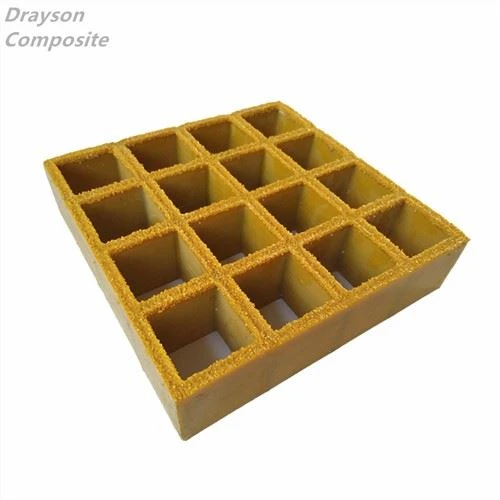
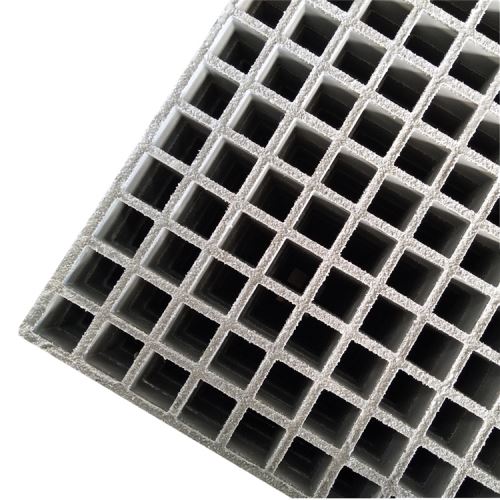
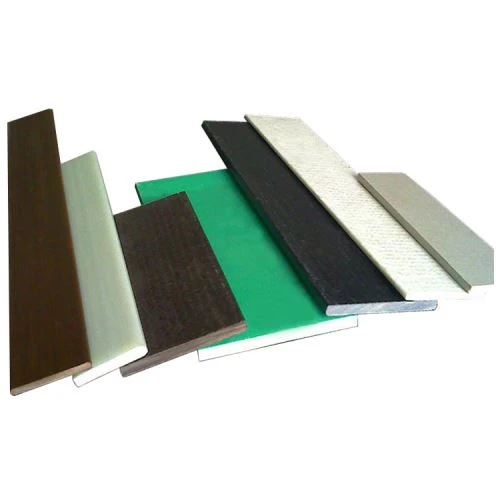
Fiberglass grating, including Covered Grating, Frp Pultruded Grating, and FRP Molded Grating, is a popular choice due to its non - conductive, corrosion - resistant, and lightweight properties. It is used in a wide range of industries, including chemical processing, water treatment, and food processing. However, the recyclability of fiberglass grating is more complex compared to steel and aluminum.
Recycling of Fiberglass Grating
Fiberglass grating is made up of glass fibers embedded in a resin matrix. The resin is typically a thermosetting resin, which means it cannot be melted and re - shaped like thermoplastic materials. Recycling fiberglass grating often involves mechanical or chemical processes.
Mechanical Recycling
In mechanical recycling, the fiberglass grating is crushed into small pieces. These pieces can then be used as fillers in other composite materials or in the production of new fiberglass products. However, the mechanical properties of the recycled fiberglass may be slightly reduced compared to virgin fiberglass.
Chemical Recycling
Chemical recycling involves breaking down the resin matrix to recover the glass fibers. This process is more complex and expensive than mechanical recycling. It requires specialized equipment and chemicals to dissolve the resin and separate the glass fibers. Once the glass fibers are recovered, they can be used to produce new fiberglass products.
Benefits of Recycling Heavy - Duty Grating
Environmental Benefits
Recycling heavy - duty grating reduces the demand for raw materials. For steel and aluminum, it means less mining of iron ore and bauxite, which can have significant environmental impacts such as deforestation, soil erosion, and water pollution. Recycling also reduces energy consumption. Producing new metal from recycled materials generally requires less energy compared to producing it from virgin ores. In the case of fiberglass, recycling helps to reduce the amount of waste going to landfills.
Economic Benefits
Recycling can be cost - effective. For manufacturers, using recycled materials can reduce production costs as the cost of recycled materials is often lower than that of virgin materials. It also creates jobs in the recycling industry, from collection and sorting to processing and manufacturing.
Social Benefits
By promoting the recycling of heavy - duty grating, we contribute to a more sustainable future. It helps to conserve natural resources for future generations and reduces the environmental footprint of industrial and commercial activities.
Challenges in Recycling Heavy - Duty Grating
Despite the many benefits of recycling heavy - duty grating, there are also some challenges.
Collection and Sorting
Collecting used heavy - duty grating from various sources can be difficult. Different types of grating need to be sorted properly to ensure efficient recycling. For example, steel and aluminum need to be separated from each other, and fiberglass grating needs to be identified and processed differently.
Contamination
Heavy - duty grating may be contaminated with dirt, oil, or other substances during its use. These contaminants need to be removed before the recycling process can begin. Contamination can make the recycling process more complex and expensive.
Lack of Awareness
Many end - users and even some businesses are not fully aware of the recyclability of heavy - duty grating. This lack of awareness can lead to a significant amount of grating being sent to landfills instead of being recycled.
Our Role as a Heavy - Duty Grating Supplier
As a heavy - duty grating supplier, we play an important role in promoting the recycling of our products. We can educate our customers about the recyclability of different types of grating and provide information on how to properly dispose of used grating. We can also work with recycling facilities to ensure that the used grating we collect is recycled in an environmentally friendly and efficient manner.
We are committed to sustainable business practices and believe that recycling is an essential part of our responsibility. By offering high - quality heavy - duty grating products and promoting their recycling, we can contribute to a greener and more sustainable future.
Contact Us for Heavy - Duty Grating
If you are in the market for heavy - duty grating, whether it's steel, aluminum, or fiberglass, we are here to help. Our team of experts can provide you with the right advice and solutions for your specific needs. We offer a wide range of products, including Covered Grating, Frp Pultruded Grating, and FRP Molded Grating. Contact us today to start the procurement process and discuss how we can meet your requirements.


References
- "Recycling of Composite Materials" by John Doe, Journal of Composite Materials, 20XX.
- "The Economics of Metal Recycling" by Jane Smith, Metal Industry Review, 20XX.
- "Fiberglass Recycling Technologies" by Tom Brown, Fiberglass Journal, 20XX.