Hey there! As a supplier of covered gratings, I've seen firsthand how important it is to ensure a smooth cut when working with these products. Whether you're a DIY enthusiast or a professional contractor, getting a clean and precise cut can make all the difference in the final outcome of your project. In this blog post, I'll share some tips and tricks on how to achieve a smooth cut when cutting covered gratings.
Understanding Your Covered Gratings
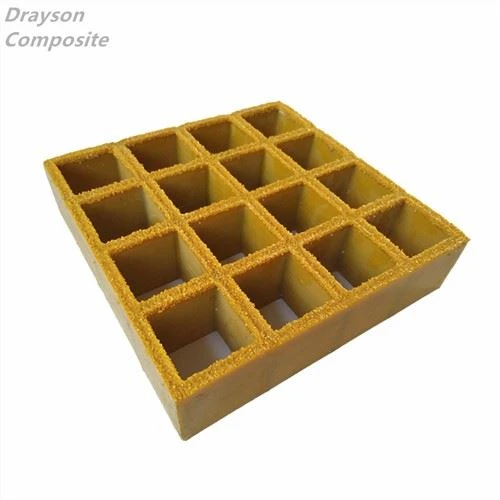
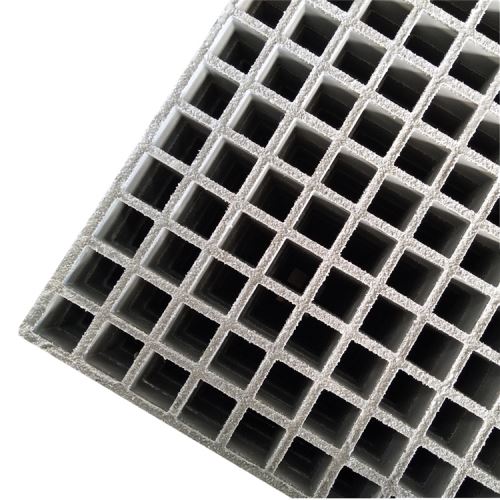
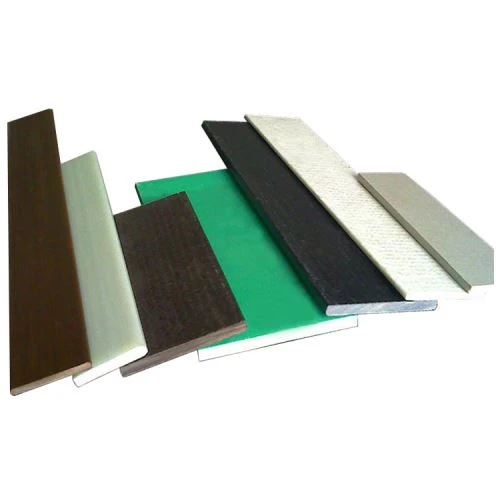
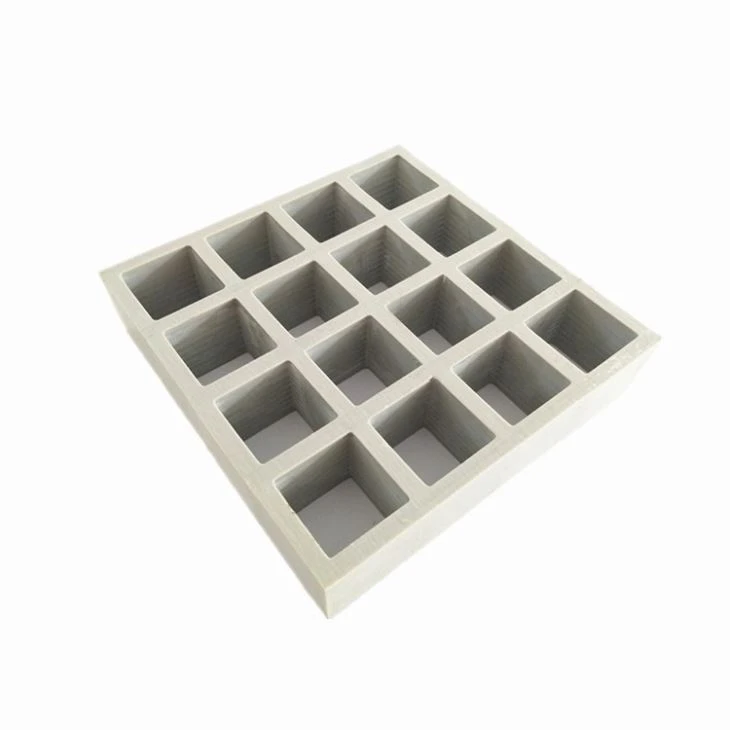
Before you start cutting, it's crucial to understand the type of covered grating you're working with. There are different materials and designs available, each with its own unique characteristics. For example, FRP Walkway Grating is made from fiberglass-reinforced plastic, which is lightweight, corrosion-resistant, and easy to work with. On the other hand, Molded Fiberglass Grating is a more heavy-duty option that offers high strength and durability. And FRP Floor Grating is specifically designed for flooring applications, providing excellent slip resistance.
Knowing the material and design of your covered grating will help you choose the right cutting tools and techniques. For instance, fiberglass gratings can be cut using a variety of tools, including circular saws, jigsaws, and reciprocating saws. However, you need to use the appropriate blade for the material to ensure a clean cut.
Choosing the Right Cutting Tools
The choice of cutting tools plays a significant role in achieving a smooth cut. Here are some tools that are commonly used for cutting covered gratings:
Circular Saw
A circular saw is a popular choice for cutting large pieces of covered grating. It offers a fast and efficient way to make straight cuts. When using a circular saw, make sure to use a blade specifically designed for cutting fiberglass or composite materials. These blades usually have carbide teeth that can handle the tough nature of the grating.
Jigsaw
A jigsaw is ideal for making curved or intricate cuts. It gives you more control over the cutting process, allowing you to create custom shapes. Similar to a circular saw, you need to use a blade suitable for fiberglass or composite materials. A fine-tooth blade will help prevent chipping and splintering.
Reciprocating Saw
A reciprocating saw is a versatile tool that can be used for both straight and curved cuts. It's especially useful when you need to cut through thick or hard-to-reach areas. Again, choose a blade designed for fiberglass or composite materials to ensure a clean cut.
Preparing the Grating for Cutting
Proper preparation is key to a smooth cutting process. Here are some steps to follow:
Measure and Mark
Before you start cutting, measure the grating accurately and mark the cutting line using a straightedge and a marker. Make sure your measurements are precise to avoid any mistakes. Double-check your markings to ensure they are in the right place.
Secure the Grating
It's important to secure the grating firmly in place before cutting. You can use clamps or a vise to hold the grating steady. This will prevent it from moving during the cutting process, which can lead to uneven cuts or damage to the grating.
Wear Protective Gear
Cutting covered gratings can produce dust and debris, so it's essential to wear appropriate protective gear. This includes safety glasses, a dust mask, and gloves. Safety glasses will protect your eyes from flying particles, while a dust mask will prevent you from inhaling harmful dust. Gloves will provide protection for your hands.
Cutting Techniques
Now that you have the right tools and have prepared the grating, it's time to start cutting. Here are some techniques to help you achieve a smooth cut:
Take Your Time
Rushing through the cutting process can result in a rough or uneven cut. Take your time and let the cutting tool do the work. Move the saw slowly and steadily along the marked cutting line. This will give you more control and help you achieve a cleaner cut.
Use a Guide
Using a guide can help you make straight cuts more easily. You can use a straightedge or a piece of scrap wood as a guide. Place the guide along the marked cutting line and run the saw along the edge of the guide. This will ensure that your cut is straight and accurate.

Make Multiple Passes
If you're cutting a thick piece of covered grating, it may be necessary to make multiple passes with the saw. Start with a shallow cut and gradually increase the depth with each pass. This will prevent the saw from getting overloaded and reduce the risk of chipping or splintering.
Clean the Blade
During the cutting process, the blade can become clogged with debris, which can affect the quality of the cut. Periodically stop and clean the blade to remove any debris. You can use a brush or compressed air to clean the blade.
Finishing the Cut
After you've made the cut, it's important to finish the edges to ensure a smooth and professional look. Here are some ways to finish the cut edges:
Sand the Edges
Use sandpaper to smooth the cut edges of the grating. Start with a coarse-grit sandpaper and gradually work your way up to a fine-grit sandpaper. This will remove any rough edges or burrs and give the edges a smooth finish.
Apply a Sealant
Applying a sealant to the cut edges can help protect the grating from moisture and other environmental factors. Choose a sealant that is compatible with the material of the grating. Follow the manufacturer's instructions for applying the sealant.
Troubleshooting
Even with the best preparation and techniques, you may encounter some problems during the cutting process. Here are some common issues and how to solve them:
Chipping or Splintering
If you notice chipping or splintering along the cut edge, it may be due to using the wrong blade or cutting too quickly. Try using a finer-tooth blade and slow down the cutting speed. You can also try making multiple passes with a shallower cut.
Uneven Cuts
Uneven cuts can be caused by the grating moving during the cutting process or by not using a guide. Make sure the grating is securely clamped in place and use a guide to ensure a straight cut.
Overheating
If the cutting tool overheats, it can damage the blade and the grating. This can happen if you're cutting too fast or if the blade is dull. Slow down the cutting speed and replace the blade if it's dull.
Conclusion
Cutting covered gratings doesn't have to be a difficult or frustrating process. By understanding the type of grating you're working with, choosing the right cutting tools, preparing the grating properly, and using the right cutting techniques, you can achieve a smooth and precise cut. Remember to take your time, wear protective gear, and finish the cut edges for a professional look.
If you're in the market for high-quality covered gratings or have any questions about cutting them, feel free to reach out to us. We're here to help you with all your grating needs and ensure a successful project. Let's start a conversation and find the perfect solution for your requirements.
References
- "Fiberglass Grating Installation Guide" - Industry standard guide for fiberglass grating installation and cutting.
- Manufacturer's product manuals for covered gratings.