Rust is a persistent and costly issue that can significantly compromise the integrity and lifespan of heavy - duty grating. As a leading heavy - duty grating supplier, we understand the importance of rust prevention. In this blog, we will explore various ways to prevent rust on heavy - duty grating, ensuring that your investment remains in top condition for years to come.
Understanding Rust and Its Impact on Heavy - Duty Grating
Rust is a form of corrosion that occurs when iron or steel is exposed to oxygen and moisture. The chemical reaction between iron, oxygen, and water forms hydrated iron(III) oxide, commonly known as rust. Heavy - duty grating, often made from materials like carbon steel, is particularly vulnerable to rust because it is frequently used in harsh environments where it may come into contact with moisture, chemicals, and abrasive substances.
When rust forms on heavy - duty grating, it can lead to a range of problems. Firstly, it weakens the structural integrity of the grating. Rust eats away at the metal, reducing its thickness and strength. This can result in the grating becoming brittle and more prone to breakage, which is a serious safety hazard, especially in industrial settings where heavy loads are involved. Secondly, rust can also affect the appearance of the grating, making it look unappealing and potentially reducing its market value.
Choosing the Right Material
One of the most effective ways to prevent rust on heavy - duty grating is to choose the right material from the start. While carbon steel is a popular choice due to its strength and affordability, it is highly susceptible to rust. However, there are several alternative materials that offer better rust resistance:
Stainless Steel
Stainless steel is an alloy that contains chromium, which forms a thin, protective layer on the surface of the metal. This layer, known as the passive film, prevents oxygen and moisture from reaching the underlying steel, thus inhibiting rust formation. Stainless steel heavy - duty grating is ideal for applications in corrosive environments, such as coastal areas or chemical plants. It is more expensive than carbon steel, but its long - term durability and low maintenance requirements make it a cost - effective choice in the long run.


Fiberglass
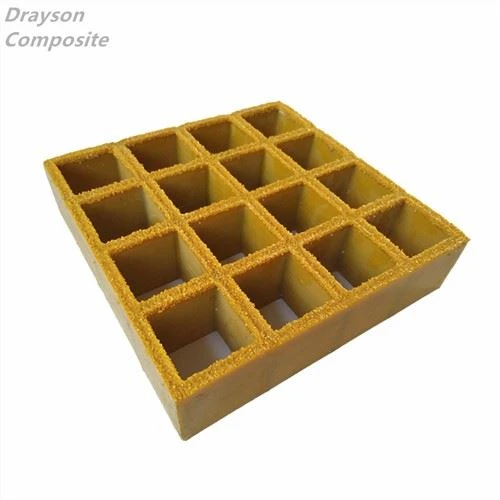
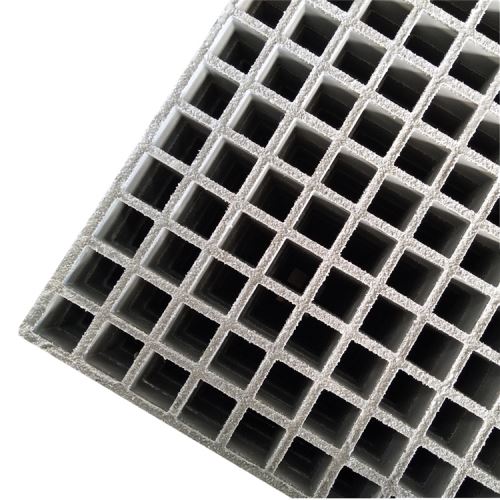
Fiberglass grating, such as FRP Walkway Grating, is another excellent option for rust prevention. Fiberglass is a composite material made of glass fibers and a resin matrix. It is completely non - metallic, so it does not rust at all. Fiberglass grating is lightweight, strong, and has excellent chemical resistance. It is commonly used in industries such as wastewater treatment, food processing, and offshore oil and gas, where corrosion is a major concern.
Molded Plastic Grating
Molded plastic grating is also resistant to rust and corrosion. It is made from high - quality plastics that are designed to withstand harsh environmental conditions. Plastic grating is easy to install, lightweight, and has a long service life. It is often used in applications where aesthetics and low maintenance are important, such as in commercial buildings and public areas.
Surface Treatments
If you choose to use carbon steel heavy - duty grating, surface treatments can be applied to protect it from rust.
Galvanizing
Galvanizing is a process in which a layer of zinc is applied to the surface of the steel. Zinc is more reactive than iron, so when the grating is exposed to oxygen and moisture, the zinc corrodes first, sacrificing itself to protect the underlying steel. There are two main types of galvanizing: hot - dip galvanizing and electro - galvanizing. Hot - dip galvanizing involves immersing the steel in a bath of molten zinc, which results in a thick, durable zinc coating. Electro - galvanizing, on the other hand, uses an electric current to deposit a thinner layer of zinc on the steel surface. Hot - dip galvanizing provides better long - term rust protection and is more commonly used for heavy - duty grating.
Painting
Painting is another common surface treatment for rust prevention. A high - quality paint can act as a barrier between the steel and the environment, preventing oxygen and moisture from reaching the metal surface. When painting heavy - duty grating, it is important to prepare the surface properly by cleaning and degreasing it to ensure good adhesion of the paint. Epoxy paints are often used for their excellent corrosion resistance and durability. However, the paint may chip or peel over time, especially in high - traffic or abrasive environments, so regular inspection and touch - up are required.
Powder Coating
Powder coating is a modern alternative to painting. It involves applying a dry powder to the surface of the steel and then heating it to form a hard, protective layer. Powder coating provides a more uniform and durable finish than painting, and it is more resistant to chipping, scratching, and fading. It also has a lower environmental impact compared to traditional liquid paints, as it does not contain solvents.
Proper Installation and Maintenance
Proper installation and maintenance are crucial for preventing rust on heavy - duty grating.
Installation
During installation, it is important to ensure that the grating is properly supported and secured. Any gaps or uneven surfaces can allow moisture to accumulate, increasing the risk of rust. The grating should be installed in a way that allows for proper drainage, so that water does not pool on the surface. Additionally, the use of non - metallic fasteners can help prevent galvanic corrosion, which occurs when two different metals are in contact with each other in the presence of an electrolyte.
Maintenance
Regular maintenance is essential to keep heavy - duty grating rust - free. This includes inspecting the grating regularly for signs of rust, damage, or wear. If rust is detected, it should be removed immediately using a wire brush or sandpaper, and the affected area should be treated with a rust converter or primer before repainting or recoating. Cleaning the grating regularly can also help prevent the buildup of dirt, debris, and chemicals that can contribute to rust formation. Use a mild detergent and water to clean the grating, and avoid using abrasive cleaners that can damage the surface.
Special Considerations for Specific Environments
The environment in which the heavy - duty grating is used can have a significant impact on its susceptibility to rust.
Coastal Environments
In coastal areas, the air contains a high concentration of salt, which is highly corrosive. Heavy - duty grating in these environments should be made of materials with excellent corrosion resistance, such as stainless steel or fiberglass. If carbon steel grating is used, it should be hot - dip galvanized and regularly inspected for signs of rust. Additionally, the grating should be cleaned more frequently to remove salt deposits.
Industrial Environments
Industrial settings often expose heavy - duty grating to chemicals, acids, and other corrosive substances. In these environments, fiberglass or plastic grating is often the best choice due to their excellent chemical resistance. If steel grating is used, it may require additional protective coatings or linings to withstand the harsh chemicals.
Indoor Environments
Even in indoor environments, heavy - duty grating can be at risk of rust if there is high humidity or water leakage. Proper ventilation and moisture control are important to prevent rust. In areas where water is present, such as in kitchens or bathrooms, fiberglass or plastic grating can be a good option.
Conclusion
Preventing rust on heavy - duty grating is essential for maintaining its structural integrity, safety, and appearance. By choosing the right material, applying appropriate surface treatments, and ensuring proper installation and maintenance, you can significantly extend the lifespan of your heavy - duty grating and reduce the risk of costly repairs and replacements.
As a heavy - duty grating supplier, we are committed to providing our customers with high - quality, rust - resistant grating solutions. Whether you need Fiberglass Grating Stair Treads | Drayson Composite, stainless steel grating, or any other type of heavy - duty grating, we have the expertise and products to meet your needs. If you are interested in purchasing heavy - duty grating or have any questions about rust prevention, please feel free to contact us for more information and to start a procurement discussion.
References
- "Corrosion of Metals" by Fontana, M. G.
- "Handbook of Corrosion Engineering" by Uhlig, H. H. and Revie, R. W.
- Industry standards and guidelines for heavy - duty grating installation and maintenance.