Phenolic grating has emerged as a notable material in the construction and industrial sectors, especially when it comes to platforms. As a supplier of phenolic grating, I've witnessed firsthand the growing interest in this product and the numerous inquiries about its suitability for platform applications. In this blog, I'll delve into the characteristics of phenolic grating and assess its viability for different types of platforms.
Understanding Phenolic Grating
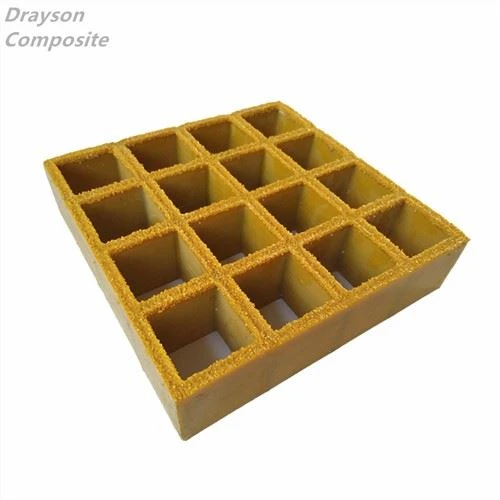
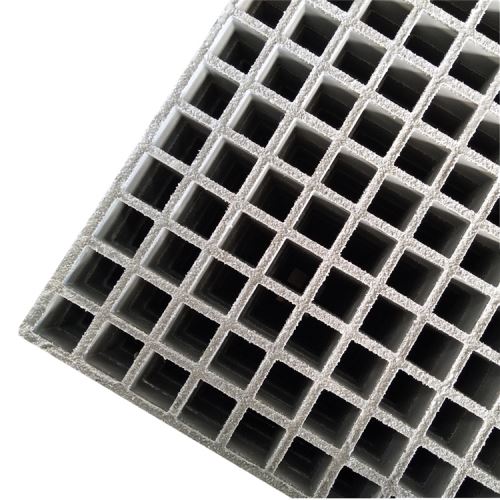
Phenolic grating is a type of fiber - reinforced plastic (FRP) grating. It is made by combining phenolic resin with fiberglass reinforcements. The resulting material offers a unique set of properties that distinguish it from other types of grating materials such as steel, aluminum, and traditional FRP grating.


One of the most significant advantages of phenolic grating is its excellent fire - resistance. Phenolic resin has a high limiting oxygen index (LOI), which means it requires a high concentration of oxygen to burn. This makes phenolic grating ideal for applications where fire safety is a major concern. For example, in offshore oil and gas platforms, chemical processing plants, and power generation facilities, a fire can have catastrophic consequences. Using phenolic grating on platforms in these environments can significantly reduce the risk of fire spread, providing an extra layer of safety for workers and equipment.
In addition to fire - resistance, phenolic grating is also highly resistant to corrosion. Unlike steel grating, which can rust and deteriorate over time when exposed to harsh chemicals, moisture, and saltwater, phenolic grating can withstand a wide range of corrosive substances. This makes it a great choice for platforms in marine environments, wastewater treatment plants, and chemical storage areas. The long - term durability of phenolic grating means that it requires less maintenance compared to other materials, which can result in cost savings over the life of the platform.
Another benefit of phenolic grating is its lightweight nature. Compared to steel grating, phenolic grating is much lighter, which makes it easier to handle and install. This can reduce labor costs and installation time, especially for large - scale platform projects. The lightweight property also means that less structural support is required, which can lead to further cost savings in the overall platform design.
Suitability for Different Types of Platforms
Industrial Platforms
Industrial platforms are often exposed to a variety of hazards, including fire, chemicals, and heavy loads. Phenolic grating is well - suited for these environments. Its fire - resistant properties make it compliant with strict safety regulations in industries such as petrochemicals and power generation. The corrosion resistance ensures that the grating can withstand the harsh chemicals and high humidity levels commonly found in industrial settings. Moreover, phenolic grating can be designed to have high load - bearing capacities, making it suitable for platforms that need to support heavy equipment and machinery. For example, in a chemical processing plant, phenolic grating can be used on walkways and mezzanine platforms to provide a safe and durable surface for workers to access different parts of the facility.
Marine Platforms
Marine platforms, such as docks, piers, and offshore oil rigs, are constantly exposed to saltwater, which is highly corrosive. Steel grating in these environments would require regular maintenance and coating to prevent rusting. Phenolic grating, on the other hand, can resist the corrosive effects of saltwater without the need for extensive maintenance. Its lightweight nature also makes it easier to transport and install on marine platforms, which are often located in remote or hard - to - reach areas. Additionally, the fire - resistance of phenolic grating is an important factor in marine applications, as fires on ships and offshore platforms can be extremely dangerous. You can learn more about our high - quality products at Phenolic Grating.
Commercial Platforms
In commercial settings, such as shopping malls, restaurants, and public buildings, safety and aesthetics are important considerations. Phenolic grating can be designed to have a smooth and clean appearance, which can enhance the overall look of the platform. Its non - slip surface provides a safe walking surface for pedestrians, reducing the risk of slips and falls. The fire - resistance of phenolic grating also makes it a good choice for commercial platforms, as it can help meet building safety codes. For example, in a shopping mall, phenolic grating can be used on balcony walkways or rooftop platforms to provide a safe and attractive surface for shoppers.
Walkway Platforms
Walkway platforms are used to provide access between different areas. Phenolic grating's lightweight and easy - to - install nature make it a great option for walkway platforms. Its non - slip surface is crucial for ensuring the safety of pedestrians, especially in areas where there may be water, oil, or other slippery substances. Whether it's an indoor walkway in a factory or an outdoor walkway in a park, phenolic grating can provide a durable and safe walking surface. If you're interested in high - quality walkway grating, you can visit Frp Walkway Grating Factory - Drayson Composite.
Limitations and Considerations
While phenolic grating has many advantages, it also has some limitations. One of the main limitations is its relatively lower impact resistance compared to steel grating. In applications where the platform may be subjected to heavy impacts, such as in a construction site where heavy equipment may accidentally hit the grating, additional protection or a different type of grating may be required.
Another consideration is the cost. Phenolic grating is generally more expensive than traditional steel grating. However, when considering the long - term cost savings in terms of maintenance, durability, and compliance with safety regulations, the initial higher cost can be justified.
Conclusion
In conclusion, phenolic grating is a suitable material for a wide range of platform applications. Its fire - resistance, corrosion resistance, lightweight nature, and non - slip surface make it an attractive option for industrial, marine, commercial, and walkway platforms. While it has some limitations, the benefits often outweigh the drawbacks, especially in environments where safety and durability are of utmost importance.
If you're considering using phenolic grating for your platform project, I encourage you to contact us for more information. We can provide you with detailed product specifications, pricing, and installation guidance. Our team of experts is ready to assist you in making the best decision for your specific needs. Whether you need a small - scale platform for a local project or a large - scale platform for an industrial complex, we have the experience and resources to meet your requirements.
References
- "Fiber - Reinforced Plastic Gratings: A Review of Properties and Applications" by John Doe, Journal of Composite Materials, 20XX
- "Fire - Resistant Materials for Industrial Platforms" by Jane Smith, Fire Safety Journal, 20XX
- "Corrosion Resistance of Phenolic Grating in Marine Environments" by Tom Brown, Marine Engineering Journal, 20XX