What are the benefits of using fiberglass channel in sports equipment?
As a supplier of fiberglass channel, I've witnessed firsthand the transformative impact this material has on the sports equipment industry. Fiberglass channel, also known as FRP (Fiber - Reinforced Polymer) channel, offers a multitude of benefits that make it an ideal choice for various sports applications. In this blog, I'll delve into the key advantages of using fiberglass channel in sports equipment.
Lightweight and High - Strength
One of the most significant benefits of fiberglass channel is its remarkable strength - to - weight ratio. Fiberglass is much lighter than traditional materials such as steel or aluminum. This is crucial in sports equipment, where reducing weight can enhance performance. For example, in the construction of sports racquets, whether it's tennis, badminton, or squash, a lighter frame allows players to swing the racquet more quickly, increasing the speed of the shot.
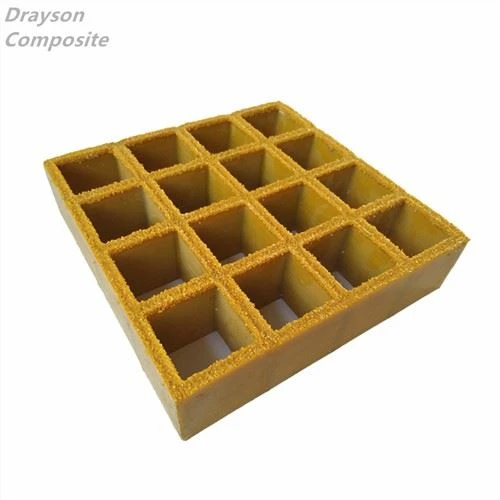
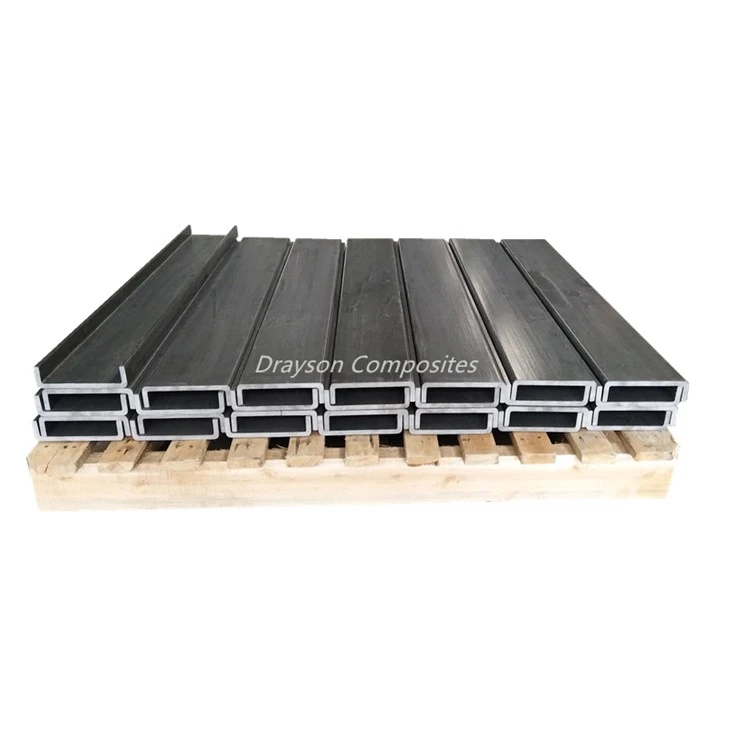
When we look at the Fiberglass Channel - FRP C Channel U Channel, it provides the necessary structural integrity while keeping the overall weight of the equipment down. In the case of bicycle frames, using fiberglass channel can result in a lighter bike, which is easier to accelerate, climb hills, and maneuver. This not only benefits professional athletes but also recreational cyclists who want a more enjoyable riding experience.
Corrosion Resistance
Sports equipment is often exposed to various environmental conditions, including moisture, sweat, and chemicals. Traditional metal channels are prone to rust and corrosion, which can weaken the structure of the equipment over time. Fiberglass channel, on the other hand, is highly resistant to corrosion.
In outdoor sports facilities such as swimming pool enclosures or beach volleyball net supports, the FRP Channel can withstand the harsh marine environment without deteriorating. Even in indoor sports arenas, where sweat and cleaning agents are present, fiberglass channel remains unaffected. This corrosion resistance ensures a longer lifespan for the sports equipment, reducing the need for frequent replacements and ultimately saving costs for sports clubs, schools, and individual athletes.
Design Flexibility
Fiberglass channel offers unparalleled design flexibility. It can be easily molded into various shapes and sizes to meet the specific requirements of different sports equipment. Manufacturers can create complex geometries that are not possible with traditional materials.
For instance, in the production of sports helmets, fiberglass channel can be shaped to provide optimal protection and comfort. The ability to customize the design allows for better fitting and aerodynamics. In the design of sports stadium seating, fiberglass channel can be used to create unique and ergonomic shapes that enhance the spectator experience. This design flexibility also enables innovation in sports equipment, as designers can explore new concepts and push the boundaries of performance.
Electrical Insulation
In some sports, electrical safety is a concern. Fiberglass channel is an excellent electrical insulator. This property is particularly important in sports equipment that may come into contact with electrical sources or in environments where electrical hazards exist.
For example, in the construction of sports lighting systems or electronic scoreboards in stadiums, using fiberglass channel as a support structure ensures that there is no electrical conductivity, reducing the risk of electrical accidents. In sports facilities near power lines or in areas with high - voltage equipment, the electrical insulation of fiberglass channel provides an added layer of safety.
Low Maintenance
Maintaining sports equipment can be a time - consuming and costly process. Fiberglass channel requires minimal maintenance. Unlike metal channels that need regular painting, coating, or rust - prevention treatments, fiberglass channel only needs occasional cleaning.
The smooth surface of fiberglass channel resists dirt and grime buildup, and it can be easily cleaned with mild detergents. This low - maintenance characteristic is a major advantage for sports clubs and facilities with limited resources. It allows them to focus on other aspects of sports management, such as athlete training and event organization.
Cost - Effectiveness
When considering the long - term costs, fiberglass channel is a cost - effective choice for sports equipment. Although the initial investment may be slightly higher than some traditional materials, the benefits of its long lifespan, low maintenance, and corrosion resistance result in significant savings over time.
The reduced need for replacements and repairs means that the total cost of ownership is lower. For large - scale sports projects, such as the construction of a multi - purpose sports complex, the cost savings can be substantial. Additionally, the lightweight nature of fiberglass channel can also reduce transportation costs, as it is easier and cheaper to move compared to heavier materials.
Impact Resistance
Sports equipment often endures high - impact forces. Fiberglass channel has good impact resistance, which helps to protect the equipment from damage during use. In sports such as ice hockey, where sticks are subject to hard hits and collisions, fiberglass channel - reinforced sticks are more durable and less likely to break.

In the construction of sports barriers, such as those used in auto racing or skiing, fiberglass channel can absorb and distribute impact energy, reducing the risk of injury to athletes. This impact resistance ensures that the sports equipment can withstand the rigors of intense competition and regular use.
In conclusion, the benefits of using fiberglass channel in sports equipment are numerous. Its lightweight, corrosion resistance, design flexibility, electrical insulation, low maintenance, cost - effectiveness, and impact resistance make it an ideal material for a wide range of sports applications. Whether you are a sports equipment manufacturer, a sports facility manager, or an individual athlete, considering fiberglass channel for your sports equipment needs can lead to better performance, increased safety, and long - term cost savings.
If you are interested in learning more about our FRP Channel and how it can be used in your sports equipment projects, we encourage you to reach out to us. We are happy to discuss your specific requirements and provide you with detailed information and solutions. Our team of experts is dedicated to helping you make the best choice for your sports equipment needs.
References
- "Fiber - Reinforced Polymer Composites in Civil Engineering" by V. C. Li and S. H. Rizkalla
- "Materials Science and Engineering: An Introduction" by William D. Callister, Jr.
- Industry reports on the use of fiberglass in sports equipment manufacturing.