Hey there! If you're in the market for covered gratings, then you're in the right place. I'm a supplier of covered gratings, and I've got a ton of info to share with you about the standard sizes available.
Let's start off by diving into why standard sizes matter. Having standard sizes for covered gratings makes things so much easier for everyone. It simplifies the manufacturing process, helps with inventory management, and makes it a breeze for you, the customer, to find a grating that fits your project needs.
Now, onto the actual standard sizes. Covered gratings come in a variety of dimensions, but there are some common ones that you'll see most often.
Width
The width of covered gratings typically ranges from 2 feet (24 inches) to 4 feet (48 inches). The 2 - foot width is great for smaller projects like walkways in a small backyard or a narrow aisle in a workshop. It's more manageable to handle and install. On the other hand, the 4 - foot width is often used in larger industrial settings, such as factory floors or large commercial buildings. It can cover a larger area in fewer pieces, which saves time during installation.
Length
Lengths for covered gratings usually go from 6 feet (72 inches) to 20 feet (240 inches). Shorter lengths, like 6 or 8 feet, are super convenient for locations where you need to make multiple cuts or where you have limited space for handling long pieces. For instance, if you're working on a small balcony, a shorter length will be much easier to maneuver. Longer lengths, say 16 or 20 feet, are ideal for large - scale projects where you want to minimize the number of joints. This is important in areas where you need a smooth, continuous surface, like in a large warehouse floor.
Thickness
Thickness is another crucial factor when it comes to covered gratings. Standard thicknesses can vary from 1 - 1/4 inches to 2 inches. A thinner grating, like the 1 - 1/4 inch one, is suitable for light - duty applications. This could include pedestrian walkways in a park or a rooftop deck where the load is relatively low. A thicker grating, around 2 inches, is designed for heavy - duty use. Industries like mining, oil and gas, and chemical processing often require these thicker gratings to withstand heavy equipment and machinery.
Mesh Sizes
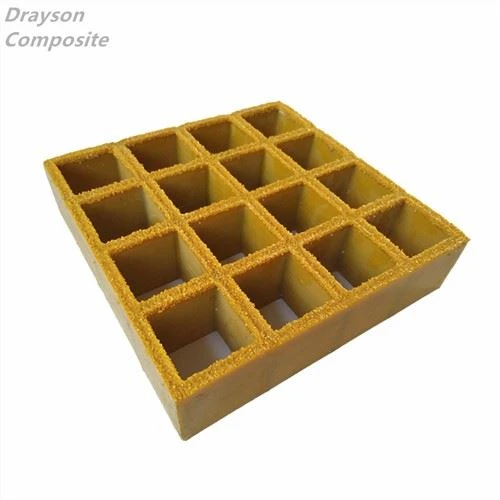
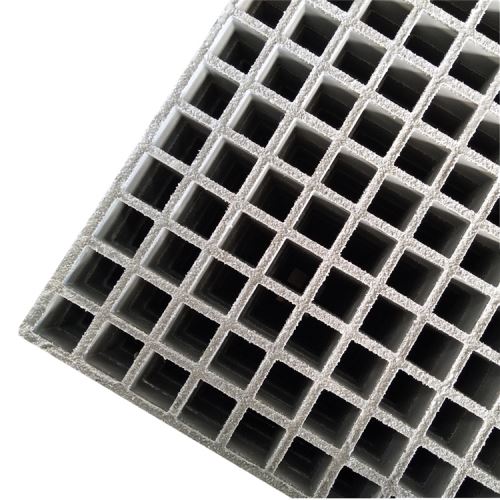
Mesh sizes also play a significant role in the functionality of covered gratings. Common mesh sizes range from 1 inch by 1 inch to 2 inches by 2 inches. A smaller mesh size, like 1 inch by 1 inch, is great for applications where you need to prevent small objects from falling through. For example, in a food processing plant, a small mesh size can prevent food particles or small tools from dropping to the floor below. A larger mesh size, such as 2 inches by 2 inches, allows for better drainage and is often used in areas with high water flow, like pool decks or outdoor walkways in rainy regions.
Material - Specific Sizes
The standard sizes can also vary depending on the material of the covered grating. For example, steel covered gratings and fiberglass covered gratings might have slightly different size options.
Steel gratings are known for their strength and durability. They often follow strict industry standards for sizes. You'll commonly find steel covered gratings in the typical width, length, and thickness ranges mentioned above. However, due to the weight of steel, they might be more restricted in terms of the longest lengths available for easy handling.
Fiberglass covered gratings, on the other hand, are lighter and more resistant to corrosion. They are a popular choice in many industries. You can check out our GRP Floor Grating which offers a great example of fiberglass gratings. Fiberglass gratings may have a wider range of size options, and they can often be custom - cut more easily to fit specific project requirements. Our Fiberglass Non Slip Grating is another excellent option, and it comes in various standard sizes to suit different needs.
Installation Considerations
When it comes to installing covered gratings, the standard sizes can impact the process. For example, if you're using Grating Clips to secure the gratings, make sure the size of the clips is compatible with the size of your grating. Using the wrong size clips can lead to a loose or unstable installation.
Customization
While standard sizes are great for many projects, sometimes you need something a bit different. That's where customization comes in. As a covered grating supplier, I can work with you to create custom - sized gratings. Whether you need a non - standard width, length, or thickness, we can make it happen. Customization might take a bit longer and could cost a bit more, but it ensures that you get a grating that fits your project perfectly.
So, there you have it! I've covered the standard sizes of covered gratings, including width, length, thickness, and mesh sizes. I've also talked about how the material can affect the sizes and the importance of installation considerations.


If you're interested in purchasing covered gratings for your project, I'd love to chat with you. Reach out to me to discuss your specific needs, and we can figure out the best size and type of grating for you. Whether you need a standard size or a custom - made one, I'm here to help make your project a success.
References
- Industry manuals on covered gratings
- Fiberglass and steel grating manufacturers' specifications