Marine Operating Environment
Marine vessels, offshore platforms and nearshore facilities operate in harsh environments featuring heavy salt spray, seawater immersion, high humidity, oil contamination and chemical attack.
Inside vessels, engine rooms, decks and accommodation areas are confined, densely equipped and subject to frequent foot traffic. This imposes stringent requirements on structural materials for walkways, platforms and covers.
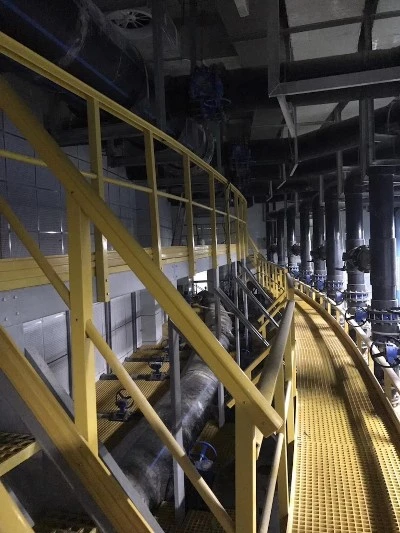

1. Poor corrosion resistance, easily corroded and rusted by salt spray, seawater, acids, alkalis and oil.
2. High material density, adding vessel dead weight and reducing payload while raising energy consumption.
3. Wet surfaces are slippery, posing safety risks for crew movement.
4. Conductive and magnetic metal, likely to interfere with electric systems and precision instruments.
5. Regular rust removal & repainting required; high ongoing maintenance costs.
6. Short service life with frequent replacements after degradation.
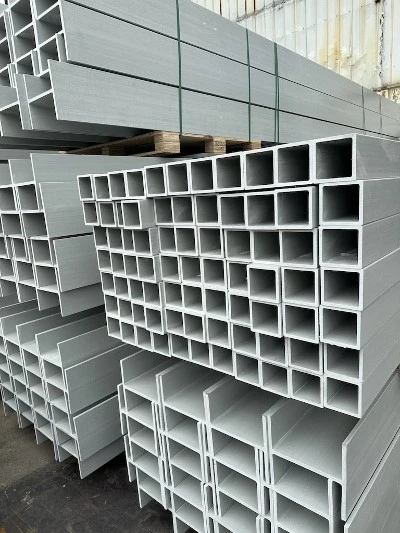
Advantages of FRP Gratings
Corrosion resistant & rust-free, long service life.
Non-metallic, suitable for harsh marine environments; lifespan 3–5 times of steel gratings.
Lightweight & high strength, lower fuel consumption.
Density: 1/4 of steel, 2/3 of aluminum. Reduces hull weight, improves cargo capacity and meets load requirements for walkways and platforms.
Multi-safety features complying with marine standards
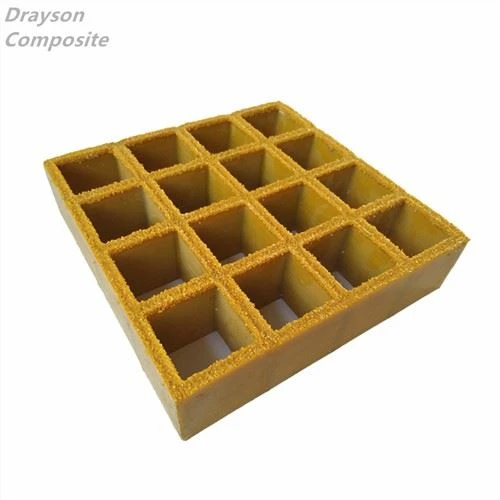
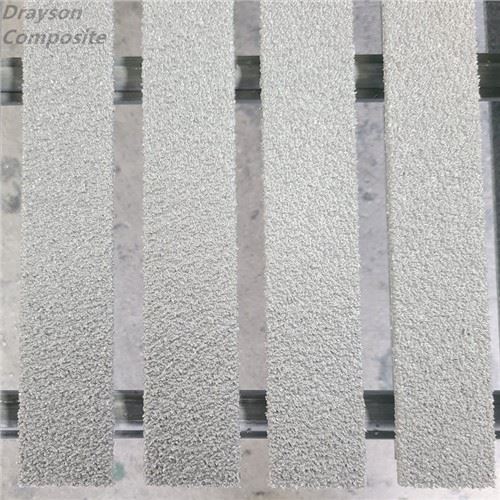
- Anti-slip quartz sand surface, reliable grip even wet or oily for all-weather work
- Insulating & anti-static optional, prevents leakage and static sparks in hazardous areas
- Flame retardant with certifications; self-extinguishes to stop fire spread
Highly customizable & easy installation
- Cut/drill on site for irregular sizes, no welding required
- Fits narrow passages, shaped platforms and stair treads
- Optimized open area for drainage, ventilation and heat dissipation
Application Scenarios of FRP Gratings in Marine Projects
FRP gratings feature compliance, safety and durability, widely used in core marine working areas:
Decks & walkways: Open decks, outboard access, mooring routes and lashing bridges. Replaces steel gratings with corrosion resistance, anti-slip property and low maintenance.
Drainage & sewage zones: Bilge drains, sewage trenches and oil-water separation areas. Resists sewage & oil corrosion with unobstructed drainage.

Engine room platforms: Maintenance platforms, equipment worktops and step plates. Meets requirements for fire resistance, insulation, heat dissipation and load bearing.

High-risk areas: Fuel storage rooms, electrical compartments and explosion-proof zones. Anti-static and flame retardant to avoid hazards. Suitable for mine sweepers, research vessels and other special ships.
Industry Standardisation Enables Widespread Adoption
Accredited standards: ISO 24681:2023 is the international standard dedicated to FRP gratings for ships and offshore applications, covering design, performance, fire safety, anti-static properties and test protocols.
Growing industry uptake: Many major shipyards have incorporated compliant FRP gratings into material specifications for newbuilds and vessel retrofits.
Conclusion
Marine-grade FRP gratings address long-standing pain points of conventional metal gratings including corrosion, slip hazards, high energy consumption and excessive maintenance costs, through core strengths: corrosion resistance, light weight, superior safety, low upkeep and flexible customisation. Aligned with the global trend toward lightweight and greener shipbuilding, certified marine FRP gratings are emerging as the preferred alternative material for marine vessels and offshore platform projects.