Hey there! As a covered grating supplier, I often get asked, "Can I install covered gratings by myself?" Well, let's dive right into this topic and find out.
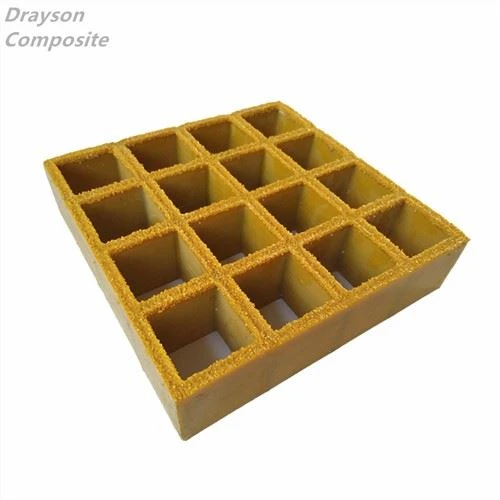
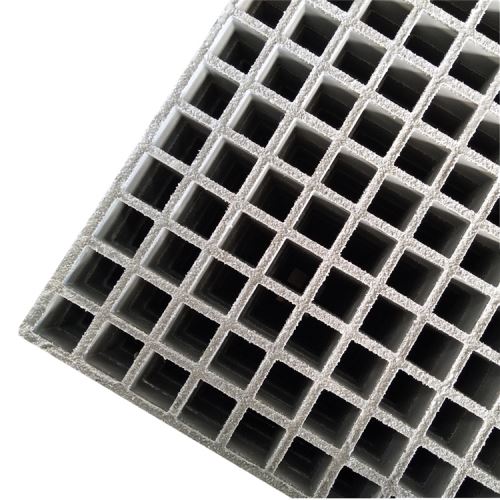
First off, what are covered gratings? Covered gratings are basically grating systems with a covering on top. They come in different materials like fiberglass, plastic, etc. And they have a bunch of uses, from walkways to industrial floors.
Now, the big question: is it do - it - yourself (DIY) friendly? The answer is, it depends. There are some factors you need to consider before you decide to take on the installation job.
The Complexity of the Installation
The complexity of installing covered gratings can vary widely. If you're dealing with a small, simple project like a backyard walkway, then it might be within your reach. For instance, if you're using Plastic Grating For Walkways, and you only need to cover a short stretch of a path, it's not too difficult. You'll just need to measure the area accurately, cut the grating to size (if necessary), and then secure it in place.
But if you're looking at a large - scale industrial installation, it's a whole different ballgame. Industrial settings often have strict safety and structural requirements. The grating needs to be installed precisely to handle heavy loads and meet all the relevant codes and standards. In such cases, it's usually best to hire a professional.
Tools and Skills Required
To install covered gratings on your own, you'll need the right tools. For basic installations, a measuring tape, a saw (if you need to cut the grating), a drill, and some fasteners are essential. You also need to have some basic DIY skills. If you're comfortable with using tools and following instructions, you can probably manage a simple installation.
Let's say you're interested in Fiberglass Floor Grating. Fiberglass gratings are relatively lightweight compared to some other materials, which makes them a bit easier to handle. But you still need to know how to cut them properly. Fiberglass can be a bit tricky to cut because it can fray if you don't use the right blade or technique.
Safety Considerations
Safety is a major concern when it comes to installing covered gratings. You need to make sure you're wearing the right protective gear, like safety glasses and gloves. If you're working at height or in an industrial environment, you might also need a safety harness.
Even for a small DIY project, there are risks. For example, when cutting the grating, there could be sharp edges or flying debris. And if you're installing the grating on a surface that's not level, it could lead to an unstable installation, which is a safety hazard.
Cost - Benefit Analysis
One of the reasons people want to install covered gratings themselves is to save money. Hiring a professional can be expensive, especially for larger projects. But you need to weigh the cost savings against the potential risks. If you make a mistake during the installation, it could end up costing you more in the long run. You might have to pay for repairs or even a complete reinstallation.


On the other hand, if you're confident in your abilities and the project is small and straightforward, the cost savings can be significant. You'll only have to pay for the materials and any tools you need to buy or rent.
Where to Get the Right Gratings
If you're thinking about a DIY installation, you need to get high - quality covered gratings. That's where we come in as a supplier. We offer a wide range of covered gratings, including FRP Grating Bunnings. Our products are made to meet high standards of quality and durability.
When you're choosing the grating for your project, make sure you consider the load - bearing requirements, the environment it will be in, and the aesthetic you're going for. For example, if it's for an outdoor walkway, you'll want a material that can withstand the elements.
Step - by - Step DIY Installation Guide (For Simple Projects)
If you've decided to go ahead with a DIY installation of covered gratings, here's a basic step - by - step guide:
- Measure the Area: Use a measuring tape to accurately measure the area where you'll be installing the grating. Make sure to account for any irregular shapes or obstacles.
- Choose the Right Grating: Based on your measurements and the requirements of your project, select the appropriate covered grating.
- Cut the Grating (if necessary): If the grating doesn't fit the area exactly, use a saw to cut it to size. Make sure to follow the manufacturer's instructions for cutting.
- Prepare the Surface: Clean the surface where the grating will be installed. Make sure it's level and free of debris.
- Install the Grating: Place the grating on the prepared surface and secure it using fasteners. Make sure it's firmly in place.
- Check for Stability: Once the grating is installed, check to make sure it's stable and doesn't wobble.
When to Call in the Professionals
As much as I love the DIY spirit, there are times when it's just better to call in the pros. Here are some situations where professional installation is a must:
- Large - scale industrial projects: These require specialized knowledge and equipment to ensure the grating is installed safely and meets all the necessary codes.
- Structurally complex installations: If the installation involves complex angles, multiple levels, or integration with other structures, it's best left to the experts.
- Projects with strict safety requirements: In environments where safety is critical, such as chemical plants or high - traffic areas, professional installation is essential.
Conclusion
So, can you install covered gratings by yourself? The short answer is, maybe. For small, simple projects with a bit of DIY know - how and the right tools, it's definitely possible. But for larger or more complex projects, it's usually a good idea to hire a professional.
If you're interested in purchasing covered gratings for your project, whether you plan to install them yourself or hire someone, we're here to help. We can provide you with high - quality products and expert advice. Just reach out to us, and we'll start the conversation about your project needs.
References
- General knowledge about covered grating installation from industry experience.
- Manufacturer's guidelines for different types of covered gratings.