Can phenolic grating be used in sewage treatment plants?
As a supplier of phenolic grating, I am often asked whether our product can be used in sewage treatment plants. The answer is a resounding yes, and in this blog post, I'll delve into the reasons why phenolic grating is an excellent choice for such environments, explore its key features, and compare it with other types of grating.
The Demands of Sewage Treatment Plants
Sewage treatment plants are challenging environments. They are constantly exposed to various chemicals, including acids, alkalis, and salts, which can corrode many materials over time. The presence of moisture and humidity is also a constant, leading to an increased risk of rust and decay for traditional materials like metal. Additionally, safety is a paramount concern. Flooring and walkways need to offer good traction to prevent slips and falls, especially in areas where water may be present on the surface.
Moreover, sewage treatment facilities often require grating that can support heavy loads. Equipment, maintenance personnel, and even the movement of vehicles may place significant stress on the grating. Durability is thus essential to ensure a long - lasting and reliable solution.
Why Choose Phenolic Grating?
Chemical Resistance
Phenolic grating is renowned for its exceptional chemical resistance. It can withstand prolonged exposure to the harsh chemicals commonly found in sewage treatment plants. Whether it's the acidic substances in wastewater or the alkaline cleaning agents used for maintenance, phenolic grating remains largely unaffected. This resistance means that it will not degrade quickly, reducing the frequency of replacement and maintenance costs. For example, compared to metal grating, which may rust and weaken when exposed to acidic sewage, phenolic grating retains its structural integrity for a much longer time.
Fire Resistance
Another crucial advantage of phenolic grating is its high level of fire resistance. In a sewage treatment plant, there may be electrical equipment, and the risk of fire is always present. Phenolic resin has inherent fire - retardant properties, which means that it will not easily catch fire. Even when exposed to a flame, it will self - extinguish quickly, minimizing the spread of fire and enhancing the overall safety of the facility.
Slip Resistance
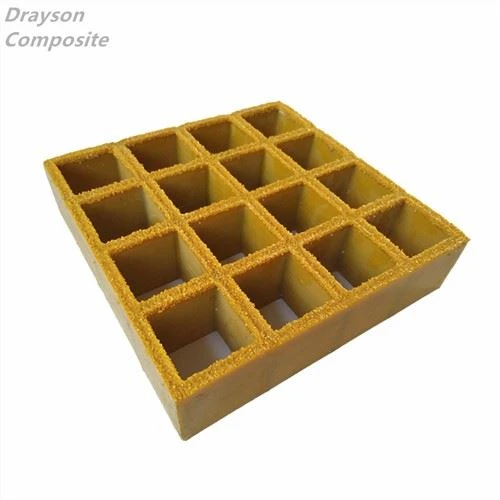
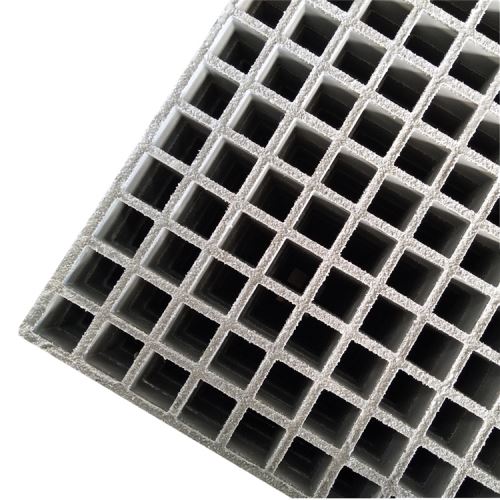
Safety is of utmost importance in sewage treatment plants, and phenolic grating offers excellent slip resistance. The surface of the grating can be designed with a gritted finish, which provides a high - friction surface even when wet. This significantly reduces the risk of slips and falls, protecting the safety of workers who are often moving around in wet and potentially slippery conditions.
Lightweight yet Strong
Phenolic grating is relatively lightweight compared to traditional materials such as metal, which makes it easier to handle and install. Despite its light weight, it has sufficient strength to support heavy loads. This combination of lightness and strength makes it an ideal choice for applications in sewage treatment plants, where large - scale installations may be required.
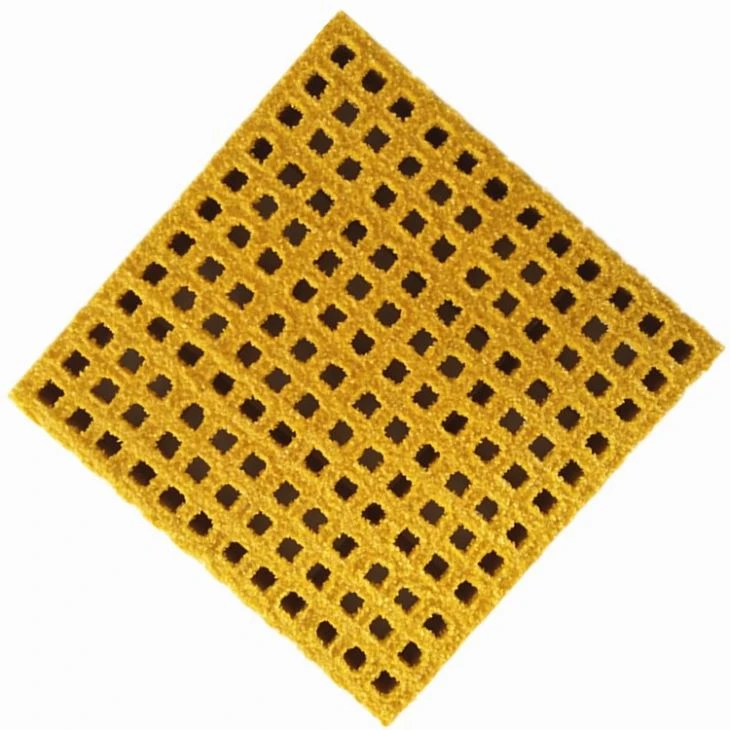
Comparison with Other Types of Grating
Micro Mesh Grating
Micro Mesh Grating is another type of grating that is sometimes considered for sewage treatment plants. While it also offers some level of chemical resistance and is made of fiberglass, it may not be as fire - resistant as phenolic grating. In some cases where the risk of fire is a significant concern, phenolic grating would be the better choice. Additionally, the mesh structure of micro - mesh grating may be more prone to clogging with debris compared to the more open design of some phenolic grating options.
FRP Molded Grating
FRP Molded Grating is a popular alternative. It shares some similarities with phenolic grating, such as chemical resistance and lightweight properties. However, phenolic grating generally has a higher level of fire resistance. In environments where fire safety is a top priority, phenolic grating provides an extra layer of protection.
Customized Phenolic Grating
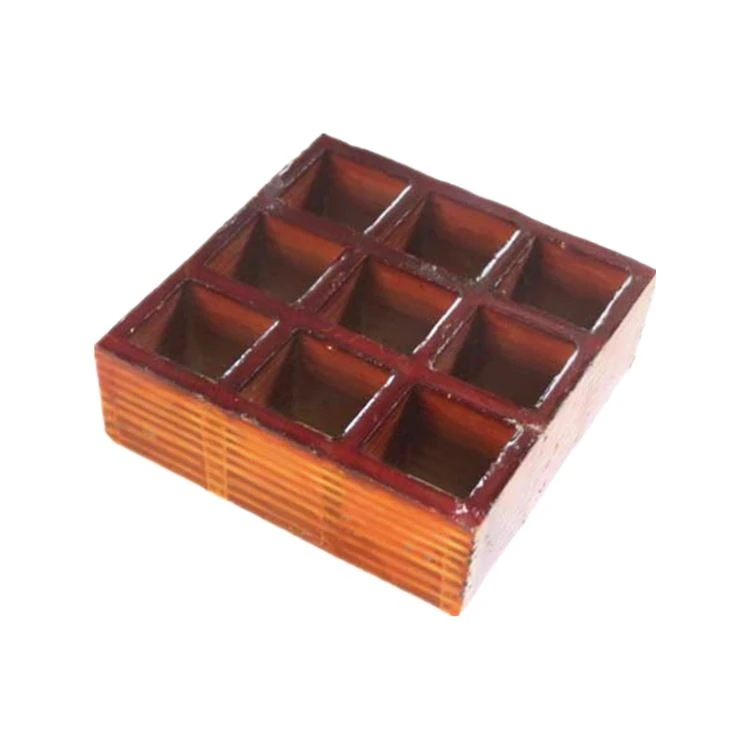
At our company, we understand that each sewage treatment plant may have unique requirements. That's why we offer Customized Phenolic Grating. We can tailor the size, shape, and surface finish of the grating according to your specific needs. Whether you need a special pattern for a particular area or a specific load - bearing capacity, our team of experts can work with you to create the perfect solution.
Conclusion and Call to Action
In conclusion, phenolic grating is an ideal choice for sewage treatment plants. Its chemical resistance, fire resistance, slip resistance, and lightweight yet strong properties make it well - suited to the challenging conditions of these facilities. Compared to other types of grating, it offers unique advantages that can enhance the safety, durability, and cost - effectiveness of your sewage treatment plant.
If you are considering upgrading your sewage treatment plant's grating or building a new facility, we invite you to contact us for a detailed consultation. Our team of experts can provide you with more information, answer your questions, and guide you through the process of selecting the right phenolic grating for your specific needs.
References
- "Fiberglass Grating Handbook", Industry Publication
- "Chemical Resistance of Composite Materials in Wastewater Environments", Research Journal