When embarking on a project that requires fiberglass grating, selecting the right one is crucial for ensuring the success, safety, and longevity of the installation. As a seasoned fiberglass grating supplier, I've witnessed firsthand the variety of considerations and challenges that clients face when making this decision. In this blog post, I'll share some key factors and guidelines to help you choose the perfect fiberglass grating for your project.
1. Understand Your Project Requirements
The first step in choosing the right fiberglass grating is to clearly define the requirements of your project. Consider the following aspects:
Load Capacity
Determine the maximum load that the grating will need to support. This includes both static loads (e.g., the weight of equipment, structures, or stored materials) and dynamic loads (e.g., the weight of moving vehicles, pedestrians, or machinery). For industrial applications with heavy machinery and equipment, a high-strength grating with a greater load capacity will be necessary. On the other hand, a lighter-duty grating may be sufficient for pedestrian walkways or light storage areas.
Chemical Resistance
Assess the chemical environment in which the grating will be installed. Fiberglass grating is known for its excellent resistance to a wide range of chemicals, but different resins offer varying levels of protection. If the grating will be exposed to harsh chemicals such as acids, alkalis, or solvents, choose a grating with a resin system that is specifically formulated to withstand these substances. For example, vinyl ester resins provide superior chemical resistance compared to polyester resins in many applications.
Fire Resistance
Depending on the nature of your project, fire resistance may be a critical requirement. Fiberglass grating can be manufactured with fire-retardant additives to meet specific fire safety standards. Look for gratings that have been tested and certified to relevant fire codes, such as ASTM E84 for surface burning characteristics. Customized Phenolic Grating is an excellent choice when high fire resistance is needed.


Slip Resistance
Safety is paramount in any project, especially in areas where there is a risk of slipping. Consider the surface texture of the grating to ensure adequate slip resistance. Many fiberglass gratings are available with a gritted or molded-in surface to provide enhanced traction, even when wet or greasy. This is particularly important for applications such as walkways, stairs, and platforms in industrial settings, wastewater treatment plants, and offshore oil rigs.
2. Choose the Right Type of Fiberglass Grating
There are several types of fiberglass grating available, each with its own unique characteristics and advantages. The most common types include molded grating, pultruded grating, and phenolic grating.
Molded Grating
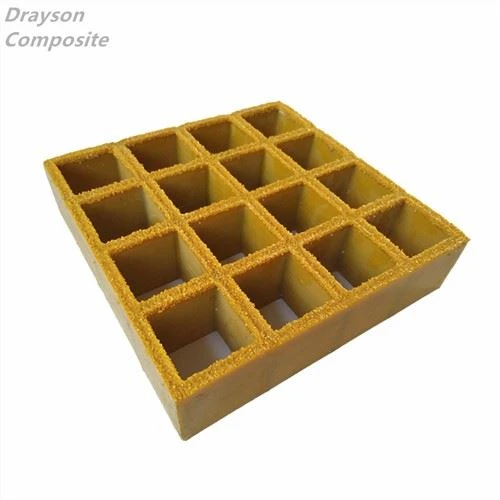
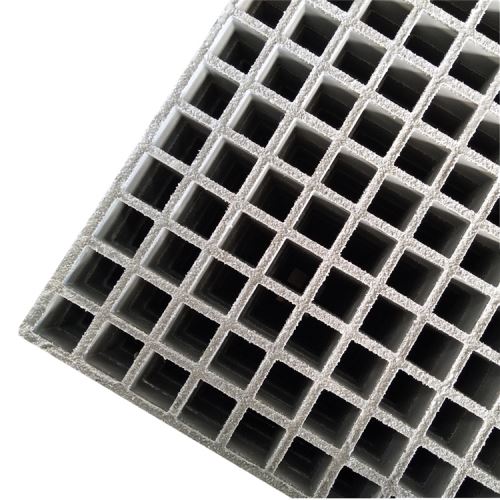
FRP Molded Grating is a popular choice for a wide range of applications due to its high strength, corrosion resistance, and versatility. It is manufactured by combining fiberglass reinforcements with a resin matrix in a mold, resulting in a one-piece, monolithic structure. Molded grating offers excellent load distribution and is available in a variety of panel sizes, thicknesses, and mesh configurations. It is suitable for applications such as flooring, walkways, platforms, and trench covers.
Pultruded Grating
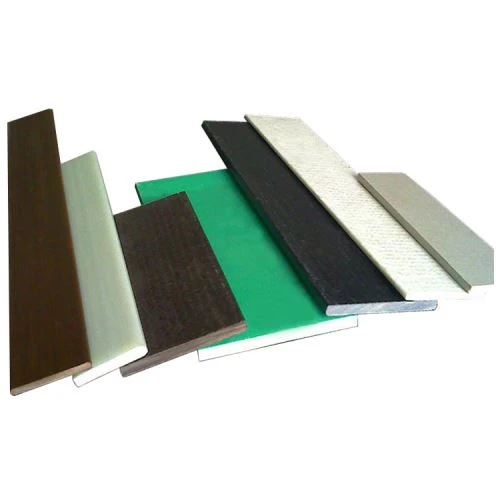
Pultruded grating is produced by pulling continuous fiberglass rovings through a resin bath and then through a heated die to form a rigid profile. This manufacturing process results in a grating with high strength-to-weight ratio and excellent dimensional stability. Pultruded grating is typically lighter and more cost-effective than molded grating, making it a good choice for applications where weight and cost are important considerations. It is commonly used in industrial scaffolding, mezzanines, and highway bridges.
Phenolic Grating
Phenolic grating is specially designed for applications where fire safety is a primary concern. It is made from a phenolic resin system that offers excellent fire resistance, low smoke emission, and self-extinguishing properties. Phenolic grating is often used in commercial and industrial buildings, marine applications, and transportation infrastructure. Customized Phenolic Grating can be tailored to meet specific project requirements and fire safety standards.
3. Consider the Size and Configuration
The size and configuration of the fiberglass grating are important factors to consider to ensure a proper fit and performance.
Panel Size
Choose the panel size that best suits your project needs. Fiberglass grating is available in a variety of standard panel sizes, but custom sizes can also be manufactured to accommodate specific requirements. Consider the installation location, the available space, and the ease of handling and transportation when selecting the panel size.
Mesh Configuration
The mesh configuration of the grating affects its strength, load capacity, and visibility. Common mesh configurations include square, rectangular, and diamond patterns. Square mesh gratings offer good load distribution and are suitable for general-purpose applications. Rectangular mesh gratings provide increased strength in one direction and are often used for applications where heavy loads are expected. Diamond mesh gratings offer a more open and visually appealing design, making them ideal for architectural applications.
Edge Treatment
The edge treatment of the grating is important for preventing splintering and ensuring a safe and finished appearance. Common edge treatments include saw-cut edges, sealed edges, and machined edges. Saw-cut edges are the most basic and cost-effective option, but they may require additional finishing to prevent fraying. Sealed edges provide a smooth and durable finish, while machined edges offer a precise and professional look.
4. Evaluate the Quality and Supplier
When choosing fiberglass grating, it's important to evaluate the quality of the product and the reputation of the supplier. Look for a supplier that has a proven track record of delivering high-quality products and excellent customer service. Consider the following factors:
Quality Control
Ensure that the supplier has a robust quality control system in place to ensure the consistency and reliability of the grating. Look for suppliers who adhere to industry standards and specifications, such as ASTM, ISO, or EN. A reputable supplier will also provide certifications and test reports to verify the quality of their products.
Customization Options
Choose a supplier that offers customization options to meet your specific project requirements. This may include custom sizes, colors, resin systems, and surface finishes. A supplier who can work closely with you to understand your needs and provide tailored solutions will help ensure the success of your project.
Technical Support
Select a supplier that provides technical support and expertise throughout the project. This includes assistance with product selection, installation guidance, and troubleshooting. A knowledgeable and responsive supplier will be able to answer your questions and provide solutions to any challenges that may arise.
5. Cost Considerations
While cost is an important factor in any project, it should not be the sole determining factor when choosing fiberglass grating. Consider the total cost of ownership, which includes the initial purchase price, installation costs, maintenance costs, and the expected lifespan of the grating. A high-quality grating may have a higher upfront cost, but it can save you money in the long run by reducing maintenance and replacement costs.
Conclusion
Choosing the right fiberglass grating for your project requires careful consideration of several factors, including load capacity, chemical resistance, fire resistance, slip resistance, type of grating, size and configuration, quality, and cost. By understanding your project requirements and working with a reputable supplier, you can select a grating that meets your needs and provides long-lasting performance.
If you're in the process of selecting fiberglass grating for your project, I encourage you to reach out to us. As a leading fiberglass grating supplier, we have the expertise and experience to help you choose the right product for your specific needs. Contact us today to discuss your project and get a quote.
References
- ASTM International Standards for Fiberglass Reinforced Plastic Grating
- ISO Standards for Fiberglass Products
- EN Standards for Fiberglass Grating in Europe