Fiberglass decks have gained significant popularity in recent years due to their numerous advantages over traditional decking materials such as wood and composite. As a leading supplier of fiberglass decking solutions, we often receive inquiries from customers about the long - term performance of our products, particularly whether a fiberglass deck fades over time. In this blog, we will delve into the science behind fiberglass decking, the factors that can potentially cause fading, and how our products are designed to resist such changes.
Understanding Fiberglass Decking
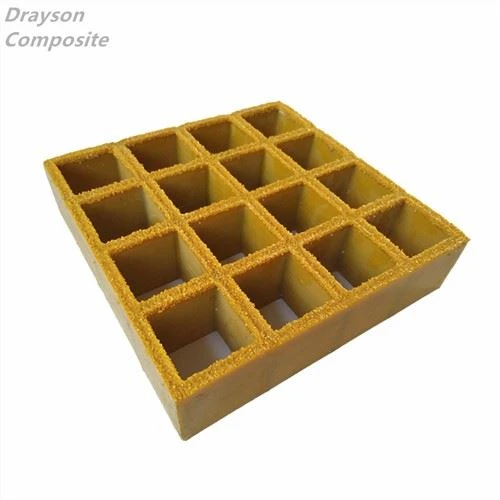
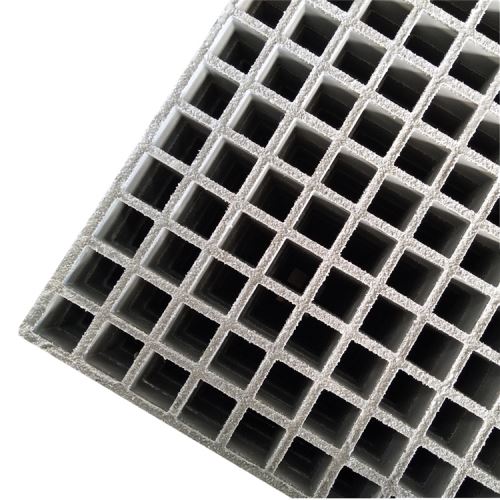
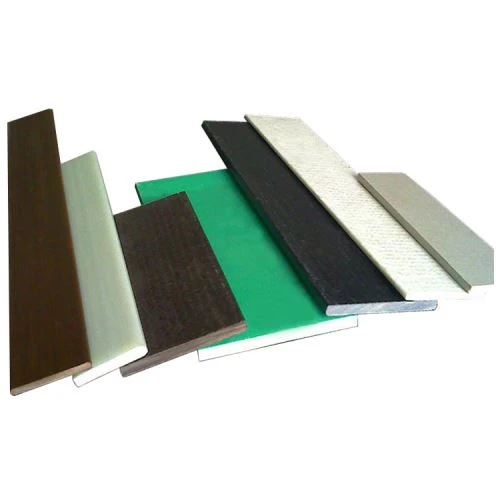
Fiberglass decking is made from a combination of glass fibers and a polymer resin. The glass fibers provide strength and durability, while the resin matrix holds the fibers together and gives the deck its shape and surface finish. There are different types of fiberglass decking available in the market, including Fiberglass Dock Decking, FRP Deck, and Fiberglass Deck Panel | Pultruded GRP Decking Profiles. These products are known for their high strength - to - weight ratio, corrosion resistance, and low maintenance requirements.
The Science of Fading
Fading is a common concern for any outdoor material exposed to the elements. It is primarily caused by two main factors: ultraviolet (UV) radiation from the sun and environmental pollutants.
UV Radiation
UV radiation is a major culprit when it comes to fading. The sun emits UV rays that can break down the chemical bonds in the surface of materials. When these bonds are broken, the pigments in the material lose their ability to absorb and reflect light in the same way, resulting in a change in color. Over time, this can lead to a noticeable fading of the deck's surface.
Environmental Pollutants
Environmental pollutants such as air pollution, acid rain, and saltwater can also contribute to fading. These pollutants can react with the surface of the fiberglass deck, causing chemical changes that affect the color. For example, acid rain contains sulfuric and nitric acids that can corrode the surface of the deck, leading to discoloration.
How Fiberglass Decks Are Designed to Resist Fading
At our company, we understand the importance of providing long - lasting and aesthetically pleasing decking solutions. That's why we take several steps to ensure that our fiberglass decks are resistant to fading.
UV - Resistant Coatings
One of the key ways we protect our fiberglass decks from UV radiation is by applying UV - resistant coatings. These coatings act as a barrier, absorbing and reflecting the UV rays before they can reach the surface of the deck. Our coatings are formulated to provide long - term protection, ensuring that the deck maintains its color and appearance for years to come.
High - Quality Pigments
We use high - quality pigments in the manufacturing process of our fiberglass decks. These pigments are specifically chosen for their ability to withstand UV radiation and environmental pollutants. They are incorporated into the resin matrix during the production process, ensuring that the color is consistent throughout the deck.
Quality Control
We have a strict quality control process in place to ensure that every deck we produce meets our high standards. Our decks are tested for colorfastness and UV resistance in a laboratory environment before they are released to the market. This allows us to identify and address any potential issues early on, ensuring that our customers receive a product that will not fade prematurely.
Real - World Performance
In addition to our laboratory testing, we also have real - world data to support the fading resistance of our fiberglass decks. Many of our customers have reported that their decks have maintained their color and appearance even after years of exposure to the elements. For example, a customer in a coastal area installed our fiberglass dock decking and was impressed with how well it held up against the saltwater and UV radiation. After five years, the deck still looked as good as new, with no signs of fading or discoloration.
Maintenance Tips to Minimize Fading
While our fiberglass decks are designed to be low - maintenance, there are a few things you can do to further minimize the risk of fading.
Regular Cleaning
Regular cleaning is essential to remove dirt, debris, and environmental pollutants from the surface of the deck. You can use a mild soap and water solution to clean the deck, followed by a rinse with clean water. Avoid using harsh chemicals or abrasive cleaners, as these can damage the surface of the deck and increase the risk of fading.


Avoiding Direct Sunlight
If possible, try to provide some shade for your deck. This can help reduce the amount of UV radiation the deck is exposed to, thereby minimizing the risk of fading. You can install a pergola, awning, or umbrellas to provide shade during the hottest parts of the day.
Conclusion
In conclusion, while no outdoor material is completely immune to fading, our fiberglass decks are designed to resist fading for many years. Through the use of UV - resistant coatings, high - quality pigments, and strict quality control, we ensure that our decks maintain their color and appearance even in harsh environmental conditions. If you are in the market for a durable and long - lasting decking solution, we invite you to consider our range of Fiberglass Dock Decking, FRP Deck, and Fiberglass Deck Panel | Pultruded GRP Decking Profiles.
If you have any questions or would like to discuss your decking needs further, please feel free to reach out to us. We are here to help you find the perfect decking solution for your project.
References
- ASTM International. (Year). Standard test methods for colorfastness to light and weathering of plastics. ASTM D4329.
- National Association of Home Builders. (Year). Guide to outdoor decking materials.
- International Association of Certified Home Inspectors. (Year). Inspection guide for fiberglass decks.