In engineering scenarios including chemical industrial parks, sewage treatment plants, municipal walkways, coastal boardwalks, photovoltaic power stations and factory operating platforms, FRP (Fiberglass Reinforced Plastic) gratings have gradually replaced traditional steel gratings. Featuring excellent corrosion resistance, light weight, maintenance-free property and long service life, FRP gratings have become the mainstream choice for such projects.
During product selection, many purchasers and engineering contractors encounter the same dilemma: whether to adopt anti-slip FRP gratings or ordinary smooth non-slip FRP gratings.
Although they look similar and adopt the same FRP raw material, the two types vary greatly in surface structure, anti-slip performance, application scope, price, cost and on-site operation safety.
Main Types of Anti-slip FRP Gratings
Three mainstream types of anti-slip FRP gratings are widely used in the industry, with obvious differences in production technology, anti-slip effect and applicable occasions:
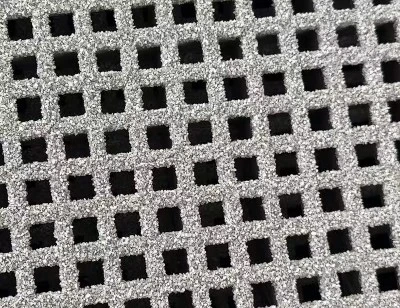
1. Quartz Sand Surfaced Anti-slip FRP Grating
It is the most commonly used type with top-level anti-slip performance.
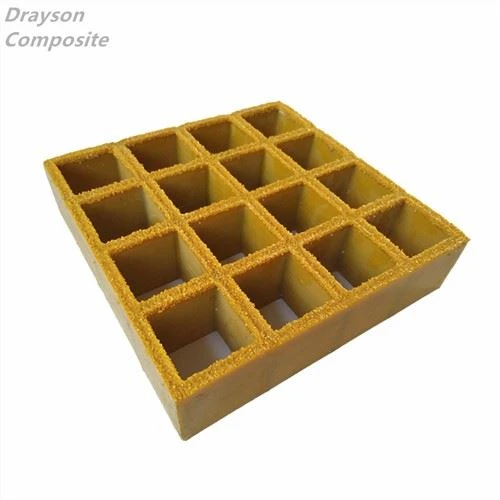
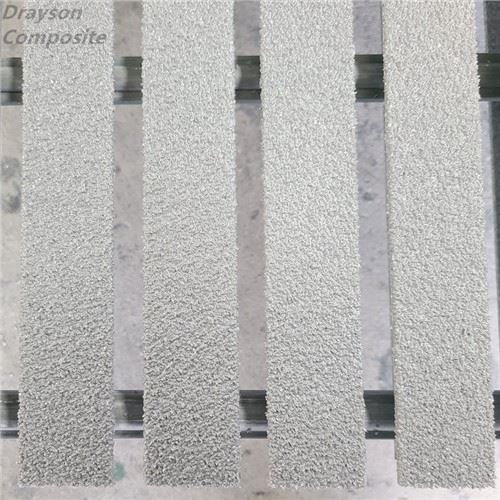
Manufacturing Process: At the later molding stage of FRP grating, high-strength and wear-resistant quartz sand is evenly embedded on the surface and integrally cured with resin. The bonding is firm and durable without sand particle shedding.
Features: It owns the highest friction coefficient and delivers stable anti-slip ability under wet, oily and ponding conditions. With outstanding wear resistance and load-bearing capacity for frequent pedestrian flow, it is highly suitable for high-humidity, oil-polluted, open-air and harsh working environments.
Disadvantages: The rough granular surface is easy to accumulate dust and sundries, leading to relatively troublesome daily cleaning.
2. Concave Surface (Meniscus Top) Anti-slip FRP Grating
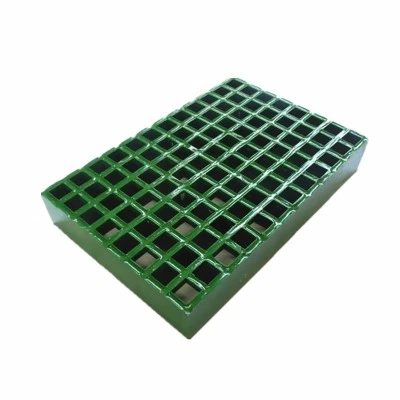
This is the standard base anti-slip type for molded FRP grating, formed naturally during the molding process without additional surface treatment.
Manufacturing Process: Produced via integral one-piece compression molding. The surface naturally forms a slight concave meniscus shape due to the resin's surface tension during curing, creating a continuous curved anti-slip texture across the grating top.
Features: The smooth concave surface provides reliable basic slip resistance, with no loose particles, coatings, or raised patterns. It retains full drainage and ventilation efficiency of the grating, and is easy to clean with no hidden dirt traps.
Advantages: Balances basic anti-slip performance, low cost, and easy maintenance. It is a versatile, all-purpose option for most general industrial environments.
3. Integral Anti-slip Grating with Concave/Convex Patterns
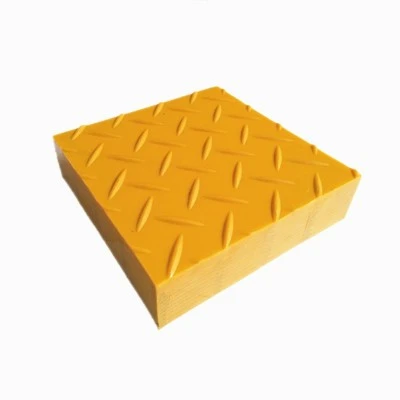
Adopting integral one-piece molding, the surface is naturally formed with concave-convex textures, diamond patterns and linear anti-slip ribs, without additional quartz sand spreading.
Features: Regular pattern and elegant appearance, with above-average anti-slip performance. No loose particles on the surface, much easier to clean than quartz sand surfaced grating.
Advantages: Not easy to store dirt and free of sand falling off, it balances anti-slip performance and neat appearance. Widely used in municipal projects, landscape facilities and indoor & outdoor pedestrian walkways.
Structural & Appearance Differences
Non-slip FRP Grating
It adopts plain smooth surface. The top of the grating is flat and sleek without embedded particles, anti-slip sand or raised patterns. The overall surface is even and tidy with neat grid edges.
Anti-slip FRP Grating
It is divided into three types: quartz sand granular surface, natural concave (meniscus) surface and molded concave-convex textured surface. The surface is either rough, subtly curved, or patterned, which can be visually distinguished from smooth non-slip grating at a glance.
Anti-slip Performance Differences
Ordinary Non-slip FRP Grating
The smooth surface works well only in dry indoor environments. Once exposed to rain, ponding, oil stains, sewage or condensation, the surface will become slippery. It brings falling risks to pedestrians and handling trolleys due to low friction coefficient.
Anti-slip FRP Grating
All three anti-slip types have much higher friction coefficients than ordinary smooth grating. They maintain stable anti-slip effect under watery, oily and humid conditions, meet industrial anti-slip safety standards, and effectively prevent slip-and-fall accidents.
Anti-slip performance ranking:
Quartz Sand Surfaced Anti-slip Grating > Integral Anti-slip Grating with Concave/Convex Patterns > Concave Surface (Meniscus Top) Anti-slip Grating
Stain Resistance & Cleaning Difficulty Differences
Non-slip (Smooth Surface) Grating
The flat and smooth surface is easy to flush and maintain. Dust and stains can be washed away effortlessly, enabling simple daily maintenance.
Anti-slip Grating
Quartz sand surfaced type: Particle gaps easily collect dust and sundries, the hardest to clean among the three types.
Concave-convex patterned type: Embossed textures will retain a small amount of dirt, with moderate cleaning difficulty.
Concave surface (meniscus top) type: The smooth, gently curved surface has no hidden crevices, making it the easiest anti-slip variant to clean.
Service Life & Weather Resistance Differences
With the same raw material and resin formula:
Anti-slip grating and non-slip grating have basically consistent performance in corrosion resistance, acid and alkali resistance, aging resistance and overall structural service life.
For quartz sand surfaced grating, long-term friction will slightly reduce its surface anti-slip performance, while the structural load-bearing capacity remains unchanged.
Smooth surface grating, concave surface grating and patterned grating keep stable performance in long-term service without sand shedding risk.
Price & Cost Differences
Non-slip FRP grating has simple production process without extra anti-slip treatment, featuring lower price and high cost performance.
Anti-slip FRP grating requires additional working procedures such as sand surface treatment or anti-slip mold forming, resulting in a slightly higher unit price.
For projects with limited budget and simple working conditions, non-slip grating is a priority option. For occasions with high safety requirements and harsh environments, corresponding anti-slip type is recommended.

Classification of Application Scenarios
Application of Non-slip (Smooth Surface) Grating
- Indoor dry equipment platforms and machine room walkways
- Warehouse storage areas and dry workshop floors
- Enclosed indoor maintenance passages and low foot traffic areas
- Scenarios without mandatory anti-slip requirements, focusing on low cost and easy cleaning
Application of Anti-slip FRP Grating
Quartz sand-surfaced anti-slip grating: Suitable for high-humidity, high-corrosion and high-risk areas, including sewage treatment plants, pickling & electroplating workshops, seaside wharves, waterlogged pump houses and oil-contaminated factory buildings.
Concave surface (meniscus top) anti-slip grating: Suitable for general industrial walkways, equipment platforms, workshop floors, indoor maintenance passages, and other areas requiring basic anti-slip protection.
Patterned anti-slip grating: Suitable for municipal boardwalks, landscape walkways, photovoltaic operation and maintenance passages, factory pedestrian walkways, and indoor & outdoor conventional inspection platforms.
Summary: Simple Selection Guide
- Indoor dry environment, low pedestrian flow, budget priority and easy cleaning demand → Choose non-slip smooth surface FRP grating.
- Outdoor exposure, humid environment, water/oil pollution and high safety requirements:
- Select sand-surfaced type for maximum anti-slip performance;
- Select patterned type for balanced appearance and easy maintenance;
- Select cover plate anti-slip type for enclosed protection demand.
The two types have little difference in material corrosion resistance, load-bearing capacity and service life. Their core distinctions lie in anti-slip grade, cleaning difficulty and price. You can make a proper choice according to actual working conditions and application environment.
Company Profile & Cooperation Inquiry
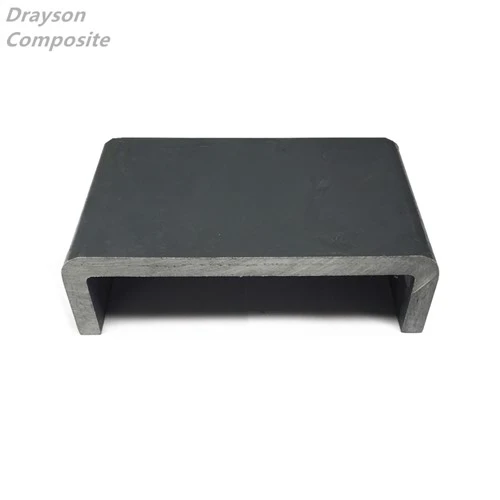
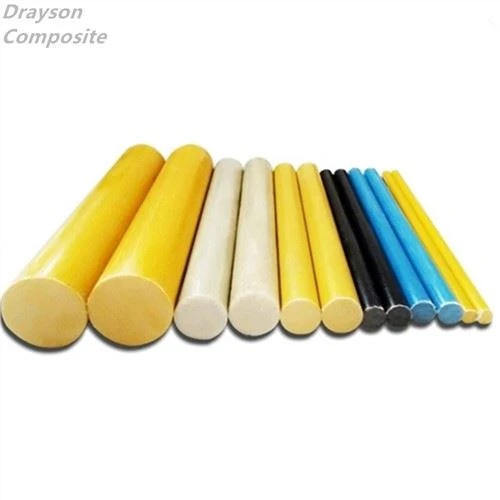
Nantong Drayson Composite Materials Co., Ltd. specializes in the full range of FRP fiberglass gratings, including sand-surfaced anti-slip type, patterned anti-slip type, concave surface anti-slip type and non-slip smooth type. We also provide a complete selection of FRP products such as pultruded profiles, safety railings, walkway plates and cable brackets. Custom size processing, mold opening production are available. We support foreign trade export and engineering supporting services. If you have any doubts about grating selection for your project, load-bearing capacity confirmation, dimension quotation or sample delivery demand, please feel free to contact us. We offer professional working condition matching and one-stop FRP material selection solutions for all clients.