Over the past 14 years at Nantong Drayson Composite Material Co.,Ltd, we've seen many clients choose FRP over steel, wood, or aluminum.

If you're looking at FRP for a wastewater plant, a chemical facility, or even a car wash, you've probably heard the buzzwords: "corrosion-resistant," "lightweight," "low-maintenance." But how does it actually perform in the real world?
In this guide, we're not going to sell you on generic benefits. We're sharing what we've learned on the factory floor, through thousands of projects. This is FRP explained like we would to a friend who's trying to make a smart choice.
What is FRP, Anyway?
FRP stands for Fiberglass Reinforced Plastic, also commonly called GRP (Glass Reinforced Plastic) in many parts of the world.
At its simplest, it's a two-part composite:
- Fiberglass reinforcement: Think of this as the "bones" of the material. It gives FRP its strength and rigidity, just like steel re-bar in concrete.
- Resin matrix: This is the "skin" that holds everything together. It protects the fiberglass from the elements, and gives the part its shape, corrosion resistance, and durability.
The magic is in the combination. You get something that's lighter than steel, stronger than many plastics, and resistant to almost all the things that eat away at traditional materials - from saltwater to sulfuric acid.

We make most of our FRP parts using two main processes:
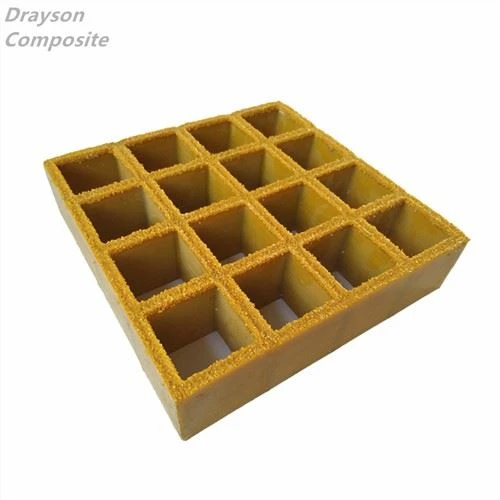
- Molding: For complex shapes like molded grating and custom covers.

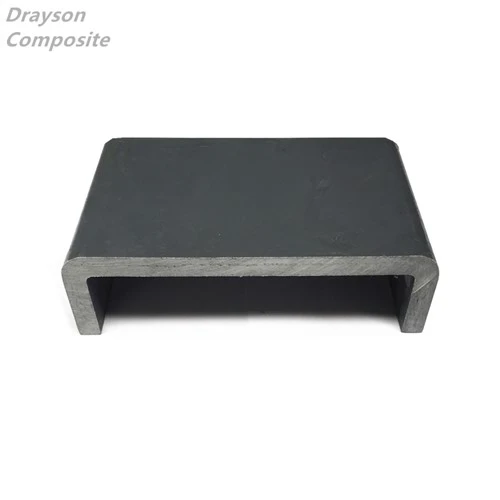
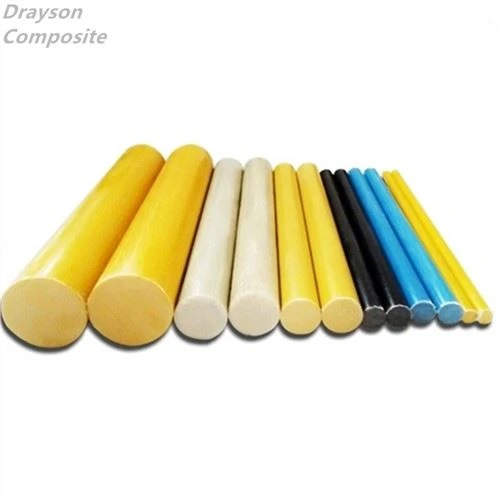
- Pultrusion: A continuous process for consistent, highstrength profiles like channels, angles, and beams.

FRP's Key Properties: The RealWorld Stuff That Matters
We don't just list these specs - we test them, ship them, and hear back from our customers about how they hold up. Here's what actually matters:
- High specific strength, lightweight yet strong: Our standard 38mm molded grating has a load capacity that works for most industrial foot traffic, but weighs just 1/4 of what an equivalent steel grating does.
- Excellent corrosion resistance: We've had a chemical plant customer use our grating around nickel plating tanks for over 12 years with zero signs of degradation.
- Lightweight for easy installation: FRP parts are 70%~80% lighter than steel, which means fewer workers, less heavy equipment, and faster installs - especially for remote sites.
- Superior electrical insulation: Unlike metal, FRP doesn't conduct electricity, making it the only safe choice for high-voltage substations.
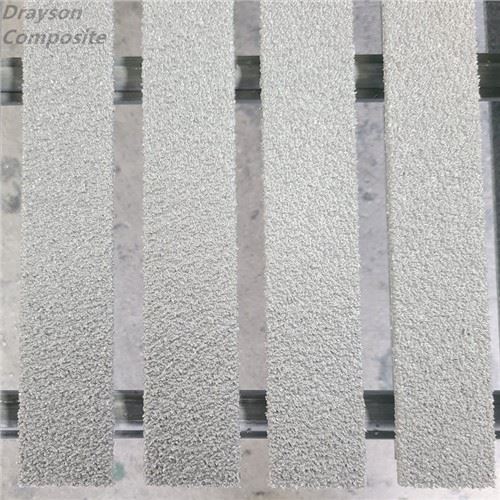
- Customizable anti-slip surfaces: We add grit or textured tops to our grating, so it stays safe even when covered in oil, water, or ice.
- Low maintenance and long life: No painting, no rust removal. Just a quick hose down, and our parts last 15~20 years in most environments.
- Weatherability and UV resistance: With UV-stabilized resins, our FRP parts don't chalk or become brittle, even after years outdoors.
- High dimensional stability: They won't warp or deform under long-term load, unlike wood or some plastics.
- Strong wear resistance: Our grating holds up well to continuous foot traffic and light vehicle use, even in high-traffic areas like car washes.
10 Industries Where FRP Proves Its Worth (Our Clients' Favorite Use Cases)
We work with clients across every sector. These are the applications where FRP truly shines:
1. Wastewater Treatment Plants
This is where FRP first became popular, and for good reason. Our grating lines walkways, tank tops, and trench covers because it stands up to sewage, chlorine, and harsh chemicals that would eat through steel in just a few years.
2. Chemical & Electroplating Plants
Acid baths, caustic tanks, and chemical fumes are brutal on most materials. FRP resists most acids, alkalis, and oils, so it's our goto for operating floors, safety platforms, and grating around tanks. One of our plating plant clients has been using our grating around chrome plating tanks for over a decade with no issues.

3. Marine & Offshore Platforms
Saltwater is the ultimate test of corrosion resistance. FRP doesn't rust, so it's used for ship decks, dock grating, gangways, and offshore wind turbine platforms. Unlike steel, it won't leach rust into the water, and it doesn't require constant painting.
4. Industrial Walkways & Safety Platforms
Factories, power plants, and manufacturing facilities rely on FRP grating for safe, durable flooring. It's nonslip, lightweight, and won't corrode even when exposed to oils, coolants, or cleaning chemicals.
5. Car Wash Stations
Car washes are tough on flooring: constant water, harsh detergents, and slippery surfaces. FRP grating drains water quickly, resists detergent damage, and stays slip-resistant even when wet. It's a massive upgrade over concrete, which cracks and stains over time.
6. Livestock & Poultry Farms
Animal waste, cleaning chemicals, and moisture create a corrosive environment. FRP slatted floors and walkways are easy to hose down, don't harbor bacteria, and won't rot like wood. One farm client replaced wooden slats with FRP and cut their replacement costs by 70% in 5 years.

7. Municipal Construction Projects
We supply FRP parts for public works projects like trench covers, drain grates, tree grates, and pedestrian walkways. They're lighter than cast iron, so they're easier to install and less likely to be stolen, and they won't corrode in road salt or rainwater.
8. Food & Beverage Facilities
Hygiene is everything in food plants. FRP is nonporous, easy to sanitize, and doesn't support mold or bacteria growth. It's commonly used for production floors, walkways around tanks, and platform grating in breweries, dairies, and processing plants.
9. Power & Electrical Industry
FRP's non-conductive properties make it ideal for high-voltage areas. It's used for grating, walkways, and structural parts in substations and power plants, where metal parts could pose a serious safety risk. We even make custom FRP ladders and handrails for these sites.

10. Construction & Architecture
FRP profiles - like angles, channels, and I-beams - are increasingly used to replace steel and wood in construction. They're lightweight, corrosion-resistant, and can be custom-colored to match building designs. We've supplied FRP handrails and structural parts for bridges, stadiums, and commercial buildings.

Common FRP Products We Manufacture
When clients come to us for FRP solutions, these are the products they most often need:
- Molded FRP grating
- Pultruded FRP grating
- FRP stair treads and nosing
- FRP structural profiles (angle, channel, I-beam, square tube)
- FRP handrails and safety guardrails
- FRP trench covers and drain grates


FRP 101: Real Advantages & Disadvantages (From Our Experience)
We recommend FRP, but we're honest about its limitations. Here's what you need to know before choosing it for your project:
1. The Good Stuff: Why Clients Chose FRP
- Unbeatable corrosion resistance: FRP doesn't rust, rot, or corrode in water, acids, alkalis, or salt environments. We've seen it outlast steel by 34x in harsh conditions.
- Lightweight for fast, low-cost installation: At 1/4 the weight of steel, FRP parts are easier to handle, ship, and install. That means lower labor costs and no need for heavy lifting equipment.
- Strong enough for most industrial uses: FRP can handle foot traffic, light vehicle loads, and even some medium-duty forklift use - as long as you choose the right thickness and grade.
- Builtin safety features: Anti-slip surfaces are easy to add, so FRP grating stays safe in wet, oily, or icy conditions.
- Excellent electrical insulation: Unlike metal, FRP won't conduct electricity, making it ideal for high-voltage work zones.
- Minimal maintenance required: No painting, rust removal, or regular repairs. Just a quick hose down with water, and it's good to go.
- Long service life: With minimal maintenance, our FRP parts last 15~25 years in industrial environments - way longer than most metals.
- Highly customizable: We can tailor the size, thickness, color, and surface texture to match your exact project needs.
- Great dimensional stability: It won't warp or deform under longterm load, so your structure stays safe and level.
Strong wear resistance: Our grating holds up well under continuous foot and light vehicle traffic, even in high-use areas.
2. The Trade-offs: Where FRP Isn't the Best Fit
- Limited high-temperature resistance: Standard FRP isn't suitable for environments above 100°C without special heat-resistant resins. For extreme heat applications, we recommend talking to us about custom formulations.
- Not for ultra-heavy loads: FRP can't replace heavy structural steel for extremely heavy machinery or forklift loads. We always test load capacity with clients to make sure we're recommending the right grade.
- Higher upfront cost than basic steel: The initial cost of FRP can be higher than standard steel. But when you factor in installation, maintenance, and replacement costs over 10+ years, it's almost always cheaper long-term.
- Vulnerable to extreme impact: FRP is rigid, but extremely heavy or sharp impacts can crack it. That's why we recommend thicker, reinforced parts for high-traffic or high-impact areas.
Final Thoughts: Is FRP Right for Your Project?
At the end of the day, FRP isn't a one-size-fits-all solution - but for most industrial, civil, and marine applications, it's a game-changer.
If your project involves wet, corrosive, slippery, or electrically sensitive environments - like wastewater plants, chemical facilities, marine decks, or power substations - FRP is almost always the best choice. It's lightweight, strong, safe, and built to last.
At Nantong Drayson Composite Material Co.,Ltd, we don't just sell FRP parts - we help you choose the right grade, size, and configuration for your specific needs. We've seen every possible use case, and we're here to share our experience with you.
If you have questions about your project, or want to discuss custom FRP solutions, reach out to us today. Our team replies within 12 hours, and we'll work with you to turn your project into a success with FRP.
Nantong Drayson Composite Material Co.,Ltd (DRS)
Email: sales@ntdrs.com
Tel: (+86) 13861907828