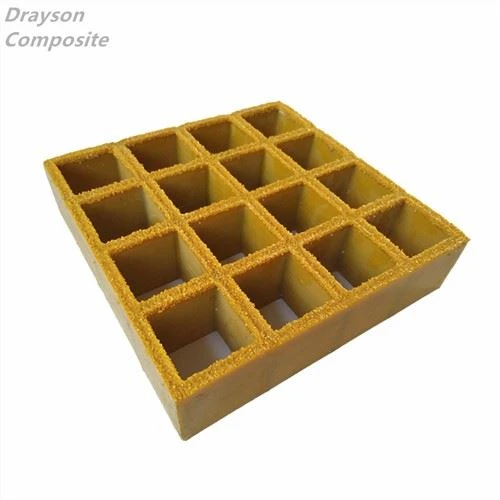
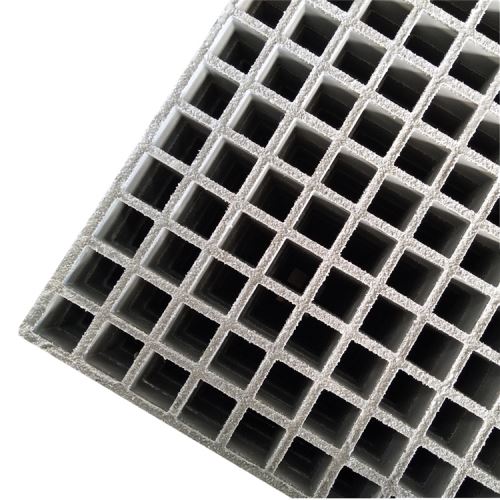
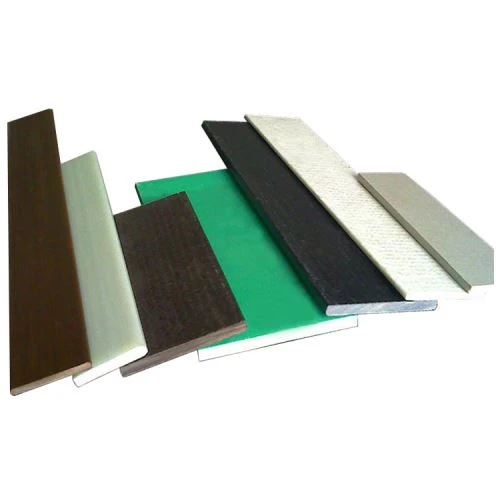
Installing FRP (Fiberglass Reinforced Plastic) walkway grating in a confined space can be a challenging yet rewarding task. As a supplier of FRP walkway grating, I have witnessed firsthand the numerous benefits these products offer in various environments, especially when space is limited. In this blog post, I will guide you through the process of installing FRP walkway grating in a confined space, addressing the unique challenges and providing practical solutions.
Understanding FRP Walkway Grating
Before delving into the installation process, it's essential to understand what FRP walkway grating is and why it's an ideal choice for confined spaces. FRP grating is a composite material made of fiberglass strands embedded in a resin matrix. It offers several advantages over traditional materials such as steel, aluminum, and wood.
FRP grating is lightweight, which makes it easier to handle and install, especially in confined spaces where maneuverability is limited. It is also corrosion-resistant, non-conductive, and has high strength-to-weight ratio, making it suitable for harsh environments. Additionally, FRP grating provides excellent slip resistance, reducing the risk of accidents even in wet or oily conditions.
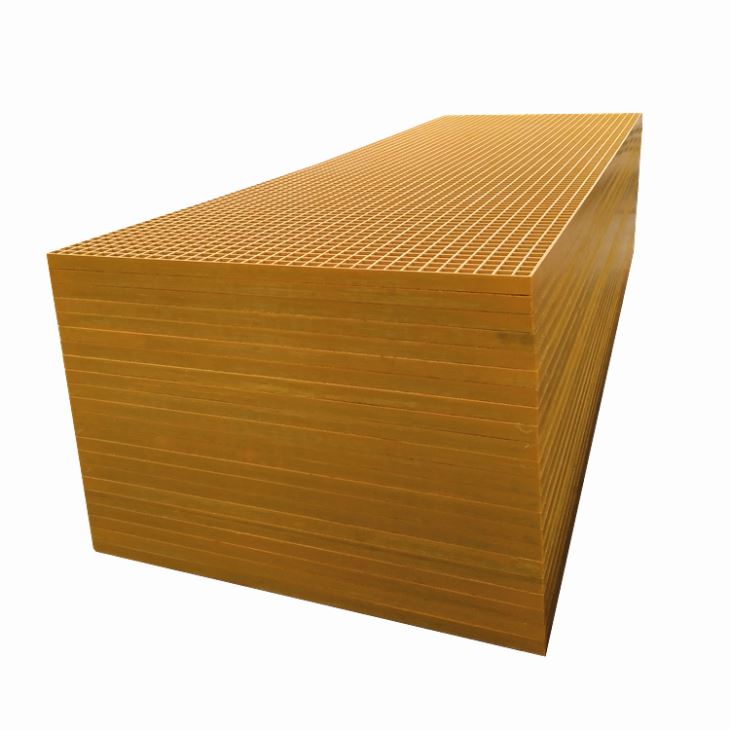

You can learn more about different types of FRP grating on our website. For example, the Micro Mesh Grating Factory - Drayson Composite offers a unique solution for specific applications, and the Fiberglass Walkway Grating is designed especially for walkway areas. If you are looking for grating for floor applications, the Fiberglass Floor Grating is a great option.
Pre-Installation Preparation
The key to a successful installation of FRP walkway grating in a confined space lies in thorough pre-installation preparation. Here are the steps you should take:
Site Assessment
- Measure the Space: Accurately measure the dimensions of the confined space where the grating will be installed. Take into account any irregularities, obstacles, or existing structures that may affect the installation process.
- Inspect the Surface: Check the surface where the grating will be placed. Ensure it is clean, level, and free of debris, oil, or any other contaminants that could prevent proper adhesion or support.
- Identify Installation Points: Determine the appropriate locations for installing support structures, such as beams or frames. Consider the weight capacity requirements, the type of load the grating will bear, and the specific installation method you will use.
Material Selection
- Choose the Right Grating: Select the appropriate FRP walkway grating based on the specific requirements of your project. Consider factors such as the load capacity, span length, chemical resistance, and surface finish. Our team of experts can help you choose the right grating for your confined space.
- Gather Necessary Tools and Materials: Collect all the tools and materials required for the installation, including saws, drills, wrenches, fasteners, and safety equipment. Make sure you have everything you need before starting the installation to avoid delays.
Safety Precautions
- Provide Safety Training: Ensure that all personnel involved in the installation process receive proper safety training. This should include training on the use of tools and equipment, proper handling of FRP grating, and awareness of potential hazards in the confined space.
- Use Personal Protective Equipment (PPE): Require all workers to wear appropriate PPE, including safety glasses, gloves, hard hats, and safety shoes. In addition, consider providing respiratory protection if there is a risk of exposure to dust or fumes during the installation process.
Installation Process
Once you have completed the pre-installation preparation, you can begin the installation process. Here are the general steps for installing FRP walkway grating in a confined space:
Install Support Structures
- Position the Beams or Frames: Place the support beams or frames in the designated locations according to your pre-installation measurements. Ensure they are level and securely anchored to the surface.
- Connect the Beams or Frames: Use the appropriate fasteners and connectors to join the support beams or frames together. Make sure all connections are tight and secure to provide a stable foundation for the grating.
Cut the Grating
- Measure and Mark the Grating: Using the measurements from your site assessment, mark the FRP grating where it needs to be cut. Use a straightedge or a template to ensure accurate cuts.
- Cut the Grating: Use a saw or a grinder designed for cutting FRP materials to make the necessary cuts. Follow the manufacturer's instructions and wear appropriate PPE to avoid injuries.
Install the Grating
- Place the Grating on the Support Structures: Carefully lift the cut FRP grating and place it on the support beams or frames. Ensure it fits snugly and is properly aligned.
- Secure the Grating: Use fasteners such as bolts, clips, or adhesives to secure the grating to the support structures. Follow the manufacturer's recommendations for the type and spacing of fasteners to ensure proper installation.
Make Adjustments
- Check for Level and Alignment: Once the grating is installed, check for level and alignment. Use a level to ensure the grating is flat and adjust the support structures or the grating as necessary.
- Fill Gaps and Joints: If there are any gaps or joints between the grating panels or between the grating and the support structures, fill them with a suitable sealant or filler to prevent water or debris from accumulating.
Challenges in Confined Spaces and Solutions
Installing FRP walkway grating in a confined space presents several unique challenges. Here are some common challenges and solutions:
Limited Access
- Use Smaller Tools and Equipment: In confined spaces, it may be difficult to maneuver large tools and equipment. Consider using smaller, more compact tools that can be easily handled in tight spaces.
- Break the Installation into Smaller Sections: If the confined space is too small to install the entire grating at once, break the installation into smaller sections. Install each section separately and then connect them together.
Ventilation Issues
- Provide Adequate Ventilation: FRP materials may release fumes during the cutting and installation process. Ensure there is adequate ventilation in the confined space to prevent the accumulation of harmful fumes. Consider using fans or ventilation systems to improve air circulation.
- Wear Respiratory Protection: If ventilation is limited, require workers to wear respiratory protection, such as N95 masks or respirators, to protect them from inhaling fumes or dust.
Safety Concerns
- Follow Safety Procedures: In confined spaces, safety is of utmost importance. Ensure that all workers follow strict safety procedures, including using proper lifting techniques, wearing appropriate PPE, and avoiding working alone.
- Have an Emergency Plan: Develop an emergency plan for the installation in case of accidents or emergencies. Make sure all workers are familiar with the plan and know what to do in case of an emergency.
Quality Control and Maintenance
After the installation is complete, it's important to conduct a quality control check to ensure the FRP walkway grating is installed correctly and meets the required standards. Here are some steps you can take:
Visual Inspection
- Check for Proper Installation: Inspect the grating to ensure it is properly installed, securely fastened, and level. Look for any signs of damage, such as cracks, chips, or loose fasteners.
- Verify Alignment and Spacing: Check the alignment and spacing of the grating panels to ensure they are consistent and meet the design specifications.
Load Testing
- Conduct Load Tests: If required, conduct load tests to verify the load capacity of the FRP walkway grating. This can help ensure the grating can safely support the expected loads.
Maintenance
- Perform Regular Inspections: Establish a regular inspection schedule to check the condition of the FRP walkway grating. Look for any signs of wear, damage, or corrosion and address them promptly.
- Clean the Grating: Keep the grating clean by regularly removing debris, dirt, and spills. This can help maintain the grating's appearance and performance.
Contact Us for Your Procurement Needs
If you are interested in purchasing FRP walkway grating for your project, whether it's for a confined space or any other application, we are here to help. Our team of experts can provide you with tailored solutions based on your specific requirements and offer professional advice throughout the process.
We strive to provide high-quality FRP products at competitive prices and ensure timely delivery. Don't hesitate to reach out to us for more information, a quote, or to discuss your procurement needs. We are confident that our FRP walkway grating will meet your expectations and provide long-lasting performance.
References
- Wilson, D. (2018). Composite Materials in Construction: Design and Applications. CRC Press.
- ASTM International. (2020). Standards for Fiberglass Reinforced Plastic Grating. ASTM International.